Practical guides to parenting, feelings, relationships and family life, with everyday examples and sources.
“Get the cups, put the bread away, bring napkins — why have you done nothing?” Sometimes the request itself is too long to hold together. Help your child complete a real task instead of turning it into a memory test.
Read article 

You promised an outing, and now it is pouring. For an adult this may be a small change; for a child a clear plan has disappeared. Help them find another possibility without requiring their disappointment to vanish immediately.
Read article 
Your child turns a box into a bus, while you feel tempted to suggest something more educational. Free play already deserves space in the family day. What can children lead, where are adults needed and why need there be no polished result?
Read article 
A project falls apart, and your hand moves to fix everything quickly. Supporting independence does not mean walking away and leaving a child alone with difficulty. Offer enough help to keep participation and problem-solving possible.
Read article 
When every page needs a promised prize, it is tempting to look for a motivation button. First understand the obstacle: an unclear task, excessive difficulty, little interest or simple tiredness. Explore alternatives without declaring that all rewards are forbidden.
Read article 
“You are the cleverest” sounds warm, but it does not explain what actually worked. Specific feedback can offer more information than a broad label. Notice actions without turning every attempt into a performance that needs an adult score.
Read article 
Parents spill tea, confuse times and take a wrong turn too. These moments offer a way to show a response without self-humiliation or searching for someone to blame. Children do not need an adult who is always right.
Read article 
Chairs become a train, paper becomes a ticket and an adult becomes a passenger. Pretend play need not involve an expensive career kit or a developmental test. Support the shared story while leaving room for the child’s own decisions.
Read article 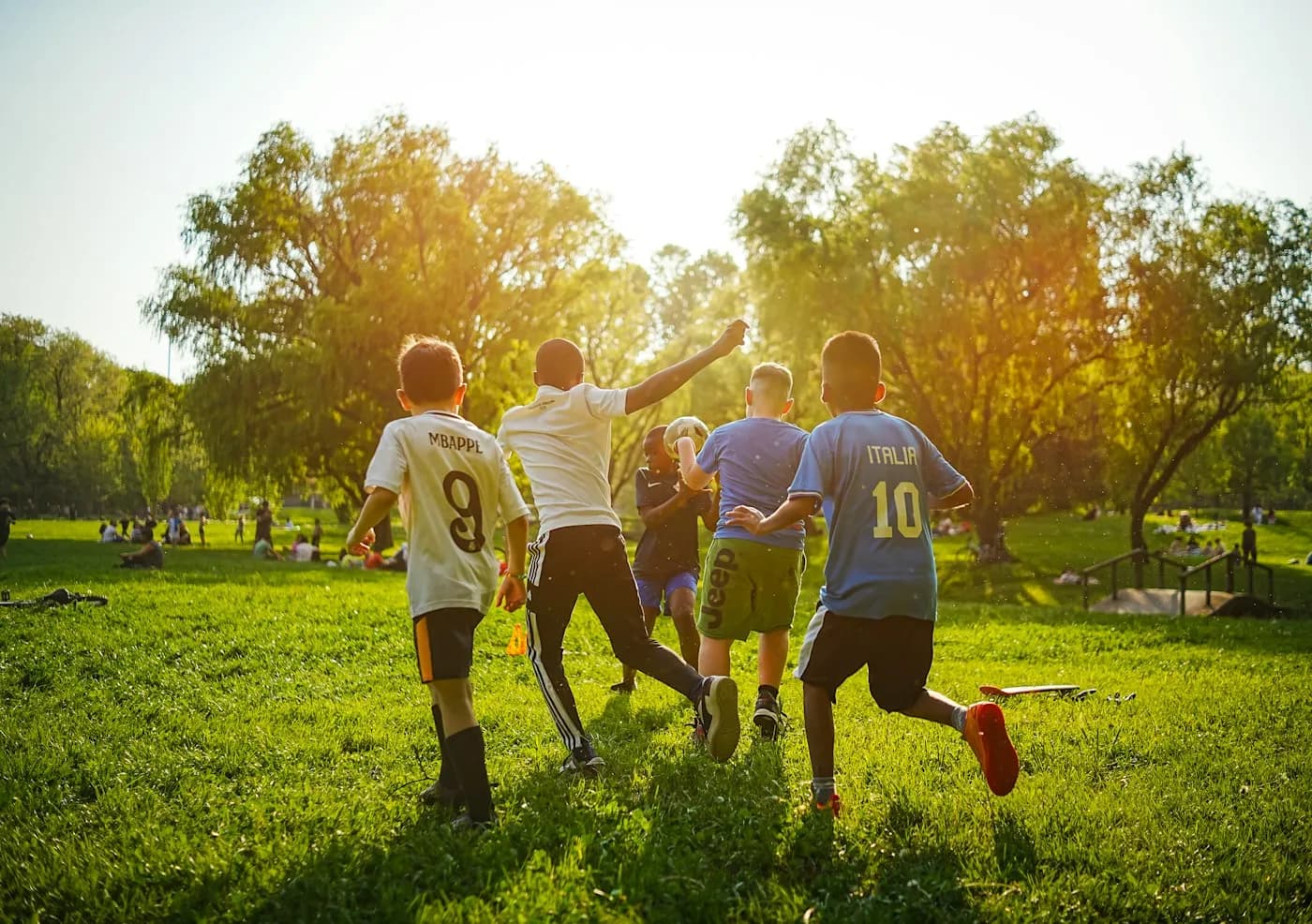
Yesterday a best friend was there every day; today your child plays with different people and worries about a birthday invitation. Friendships change alongside life. Adults can help without choosing friends for children or demanding popularity.
Read article 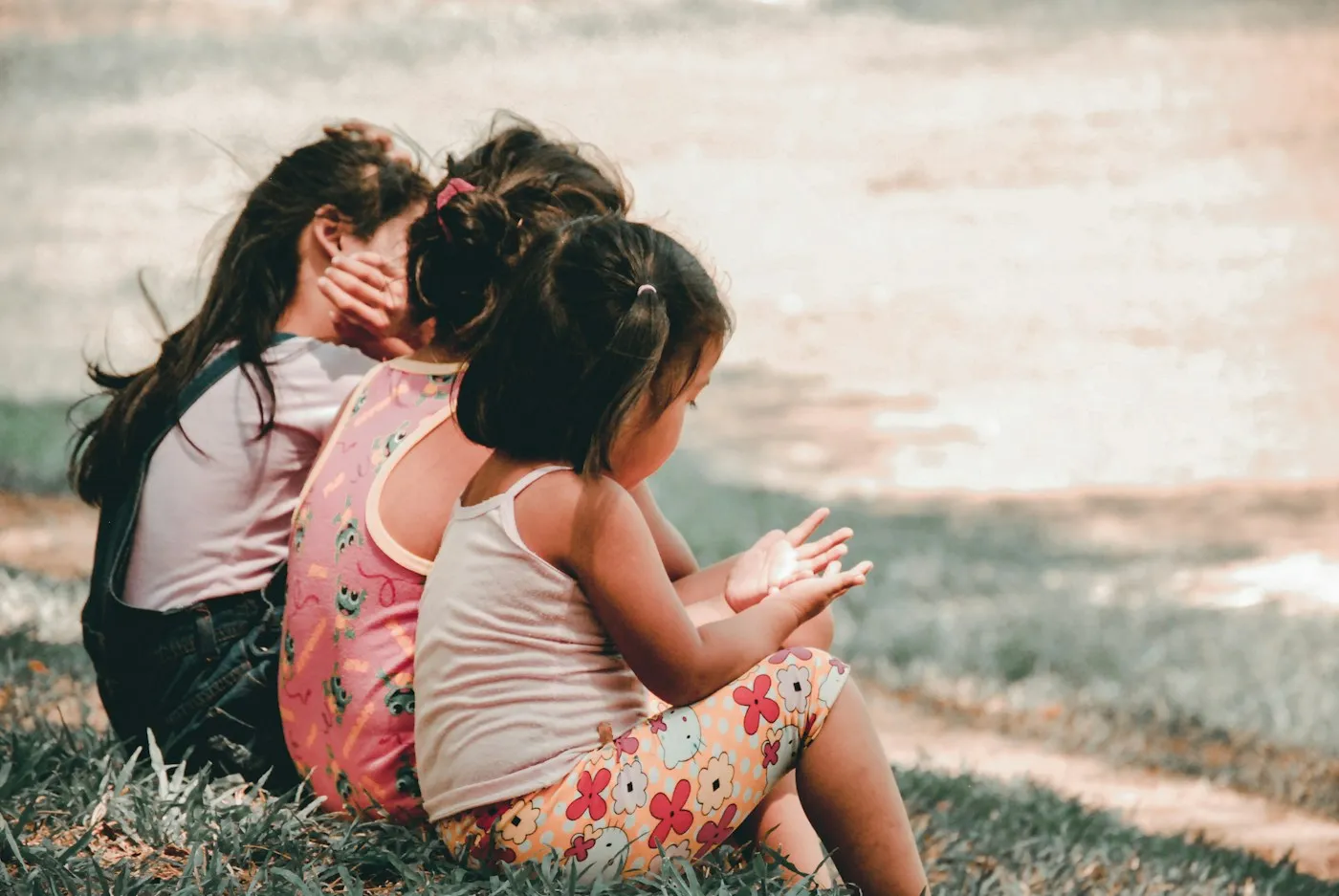
At home your child tells loud stories, but at a gathering they hide behind you. You need not choose between leaving every difficulty untouched and demanding an immediate greeting to everyone. Respect their pace while supporting contact that matters to them.
Read article 
Sometimes a child agrees because losing the group feels frightening, not because they want to participate. Instead of a lecture about bad friends, discuss the action, the right to refuse and a practical way to ask for help.
Read article 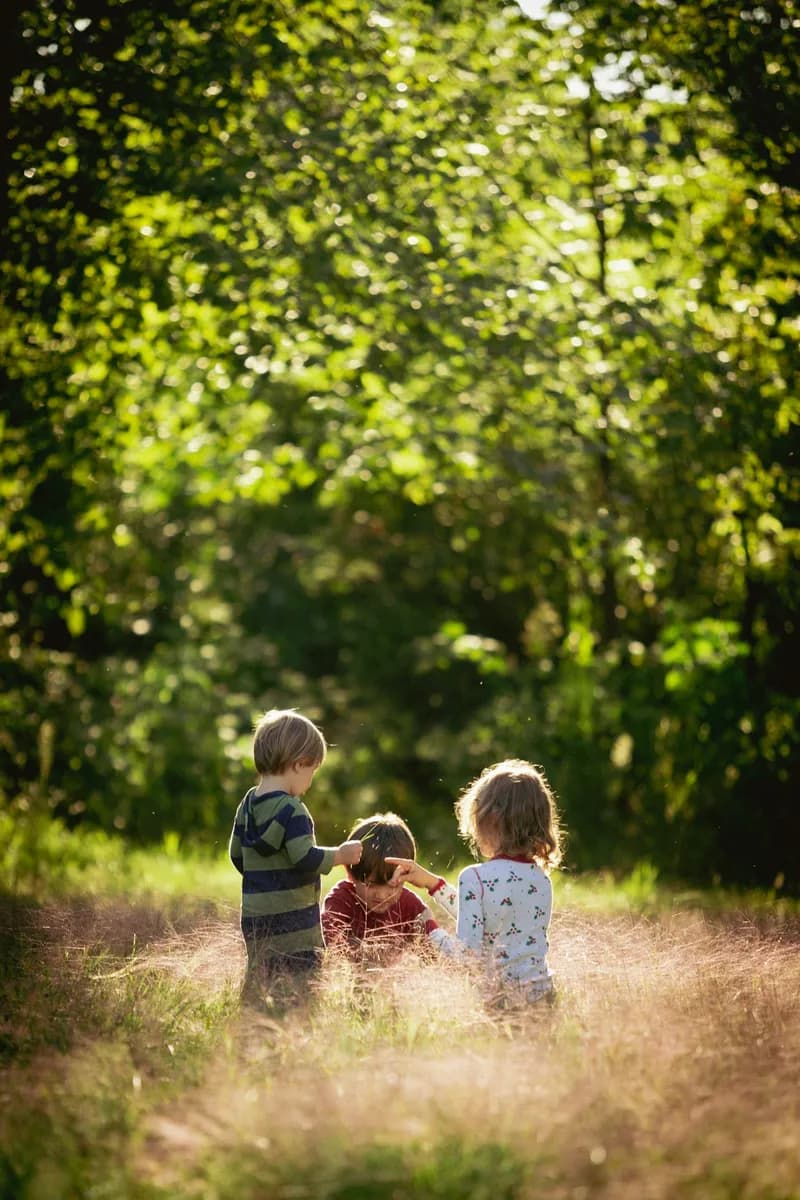
Your child watched a classmate being humiliated and does not know whether to intervene, stay silent or tell an adult. They do not need to become a hero or put themselves in danger. Build a safer plan for support and reporting.
Read article 
Your child no longer wants school or has described humiliation. Listen and organise protection rather than telling them to become stronger and solve it alone. Begin with safety and a practical plan involving responsible adults.
Read article 
It hurts to hear that your child is humiliating or frightening somebody. Protecting their dignity and stopping the harm can happen together. Respond with facts, clear boundaries and actions that can be checked, rather than a bad-child label.
Read article 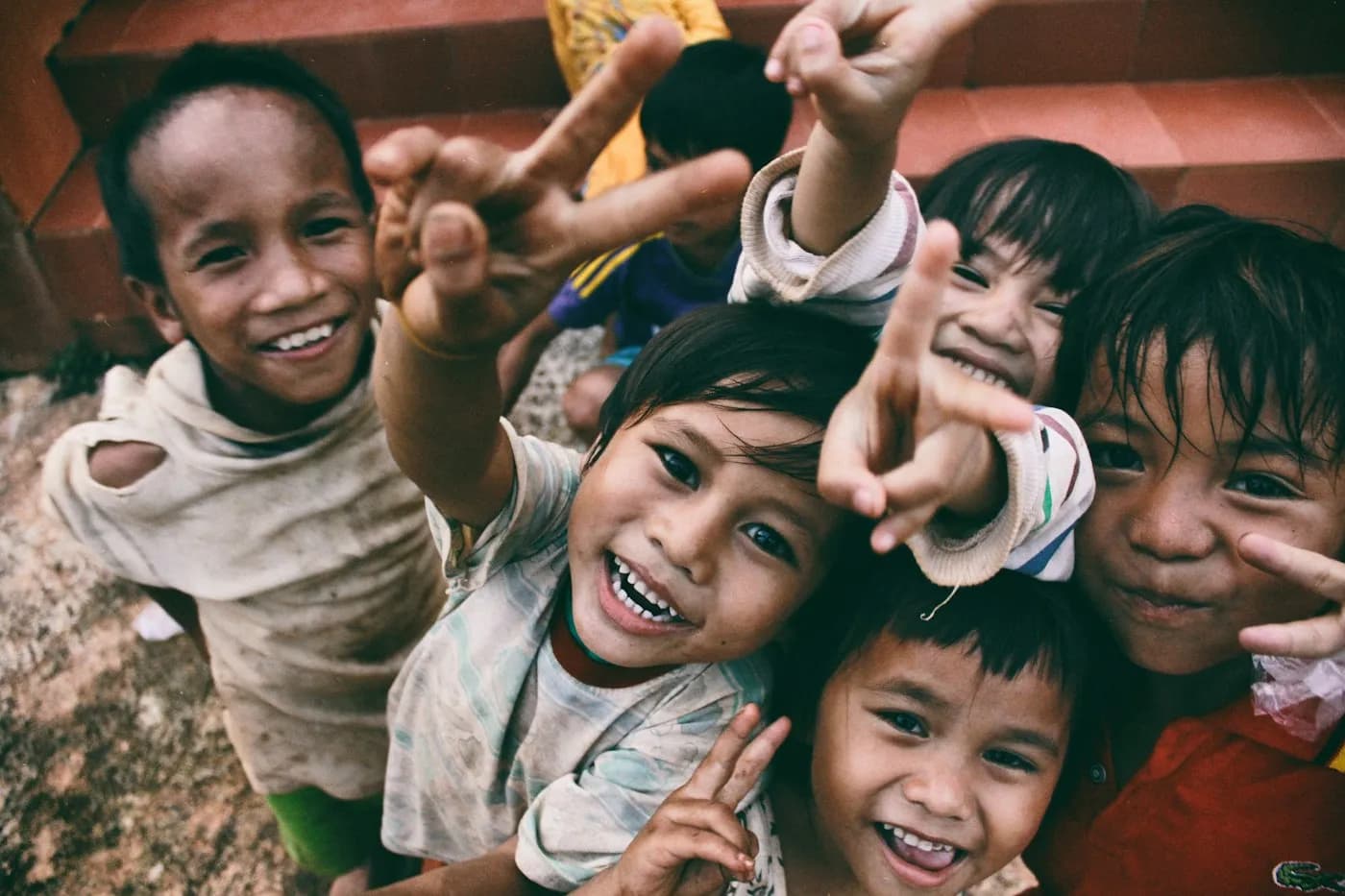
Two children argue over one box, and an adult wants to decide who is right immediately. First stop harm, then help hear the different wishes involved. Mediation does not require compulsory friendship or dividing every object equally.
Read article 
A closed notebook or private conversation with a friend does not necessarily conceal danger. Children need personal space and a clear way to report harm. Agree on boundaries that account for respect and adult responsibility for safety together.
Read article 
Different languages are spoken at home, and your child sometimes replies in a different language from the one addressed to them. Support family communication without a language contest or loyalty test. Start with relationships, understanding and manageable everyday habits.
Read article 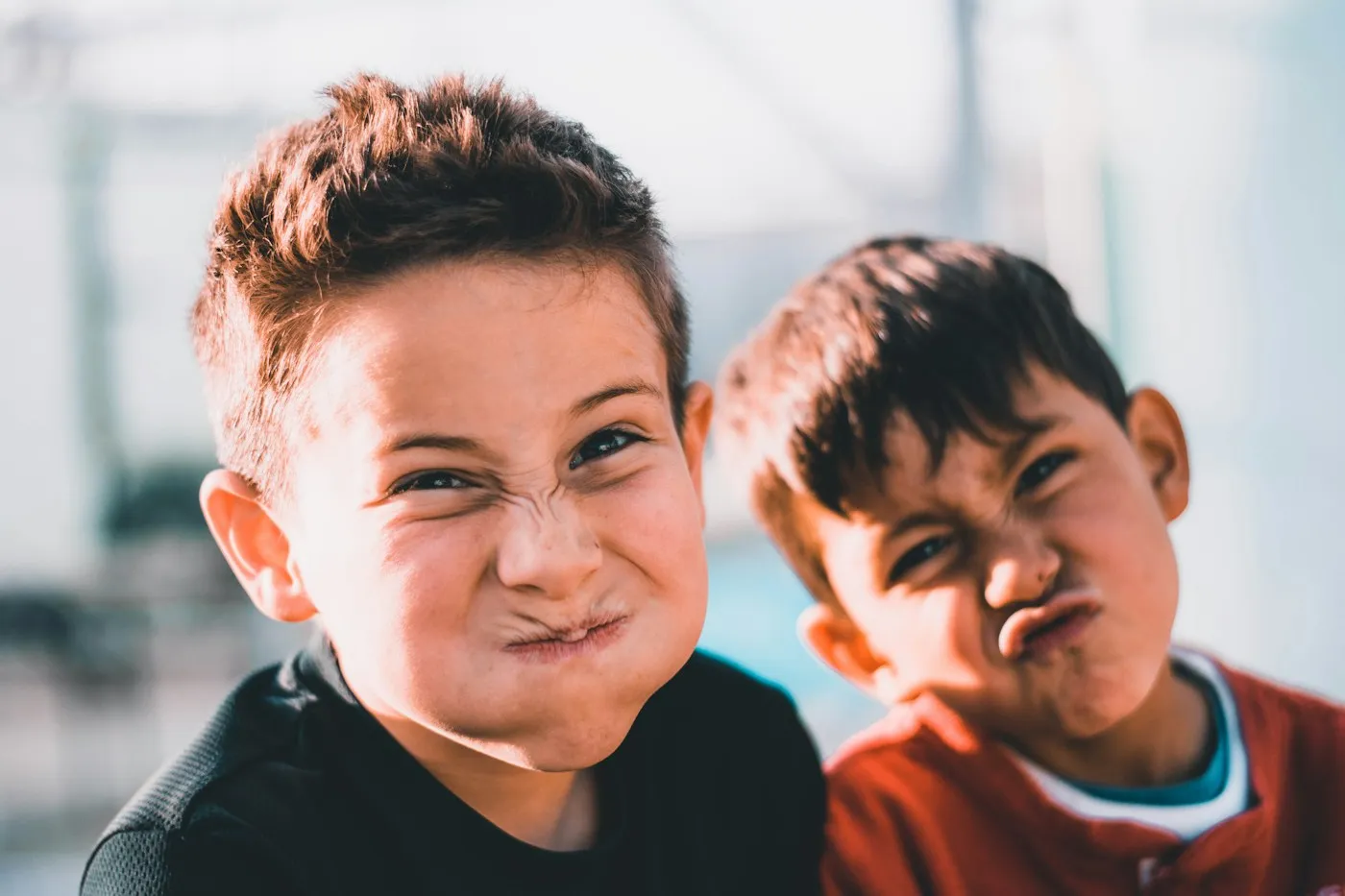
One child runs quickly, another uses gestures, and a third finds noisy play difficult. Friendship does not require identical abilities. Adults can help arrange accessible participation without turning one child into a kindness lesson for another.
Read article 
A baby may not speak in words yet but already takes part in communication through movement, sounds and turning towards or away from you. Responsive care begins with noticing and answering, not constant entertainment or correctly predicting every signal.
Read article 
Slipping away may seem like a way to avoid tears, but your child will still discover your absence. Try a clear goodbye, a familiar caregiver and an honest agreement about returning rather than disappearing without explanation.
Read article 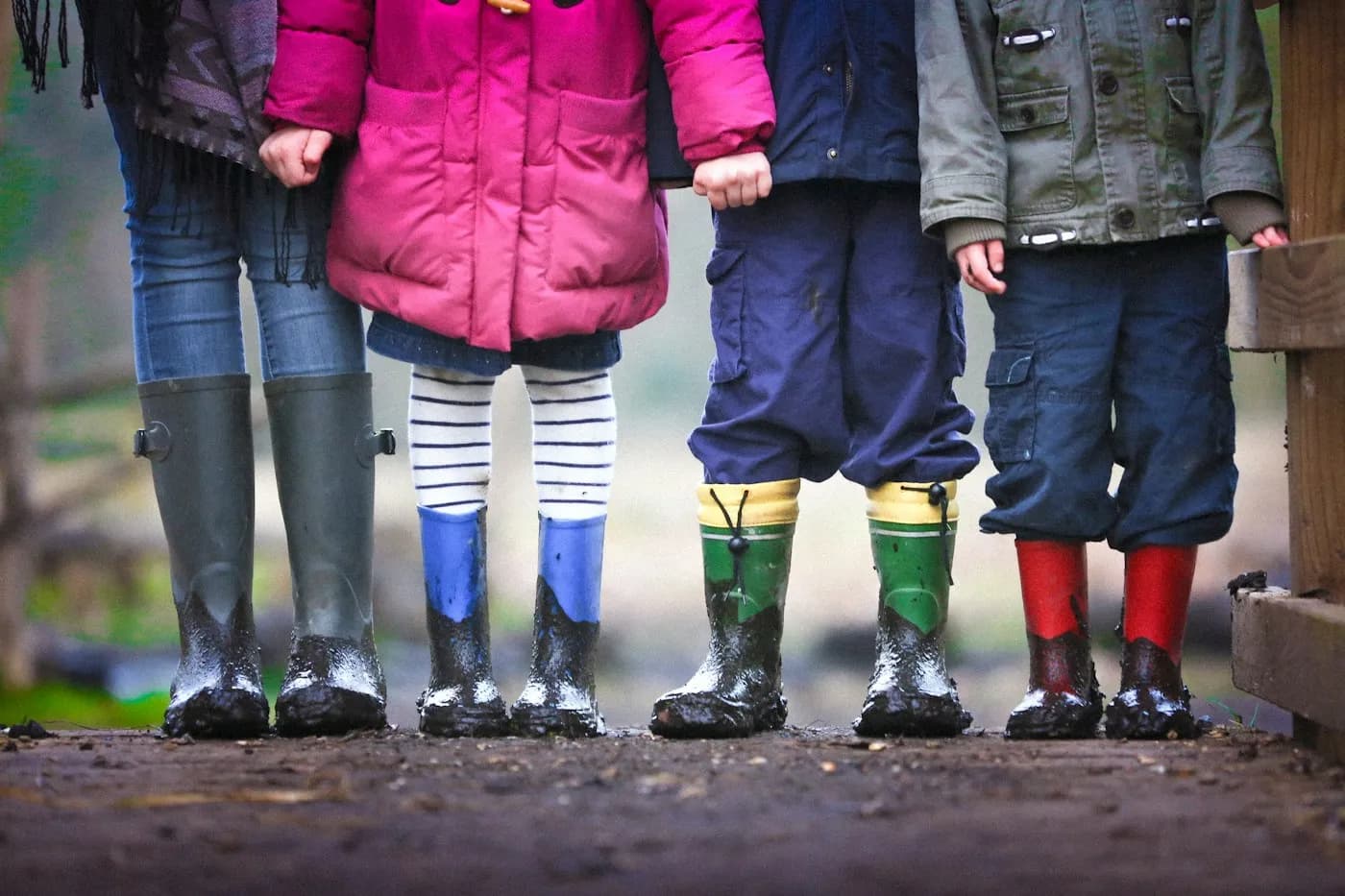
Starting preschool means more than a new doorway: there are different routines, people, sounds and ways to ask for help. Prepare through the actual day and available caregivers rather than promising that everything there will always be fun.
Read article 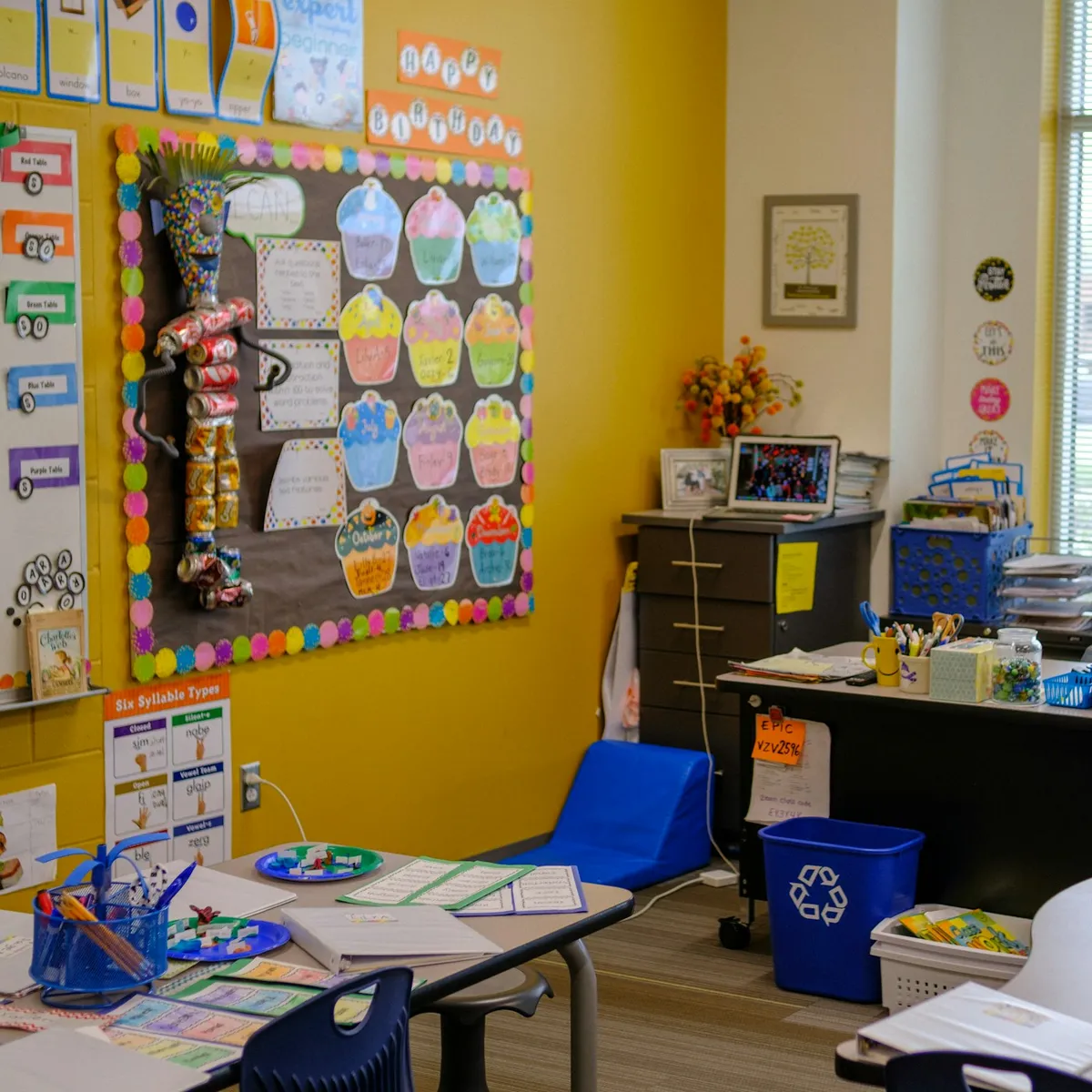
At a new school, a child needs more than subject knowledge: where to enter, whom to ask, where to spend a break and how to get home. Support begins with concrete orientation and a person who can provide help.
Read article 
As children grow, questions about touch, belongings and photographs become more important. Discuss boundaries calmly and gradually. This does not transfer protection to children: adults remain responsible for safety and appropriate help.
Read article 
Your child is shouting, lying on the floor and unable to follow an explanation. Staying calm can be difficult for an adult too, especially in public. Organising safety and support is more useful now than immediately securing obedience or identifying the final explanation for everything happening.
Read article 