Practical guides to parenting, feelings, relationships and family life, with everyday examples and sources.

Warm parenting still includes rules. You can say no, stop an unsafe action and ask a child to help repair what happened without threatening your love, shaming them in front of relatives or giving them a label. Here is what that can look like in everyday family life.
Read article 

“How was your day?” “Fine.” Sometimes that is the whole conversation, even when a parent wants connection. Start smaller: notice what your child is doing, respond and leave room for their reply. A complete report of the day is not required.
Read article 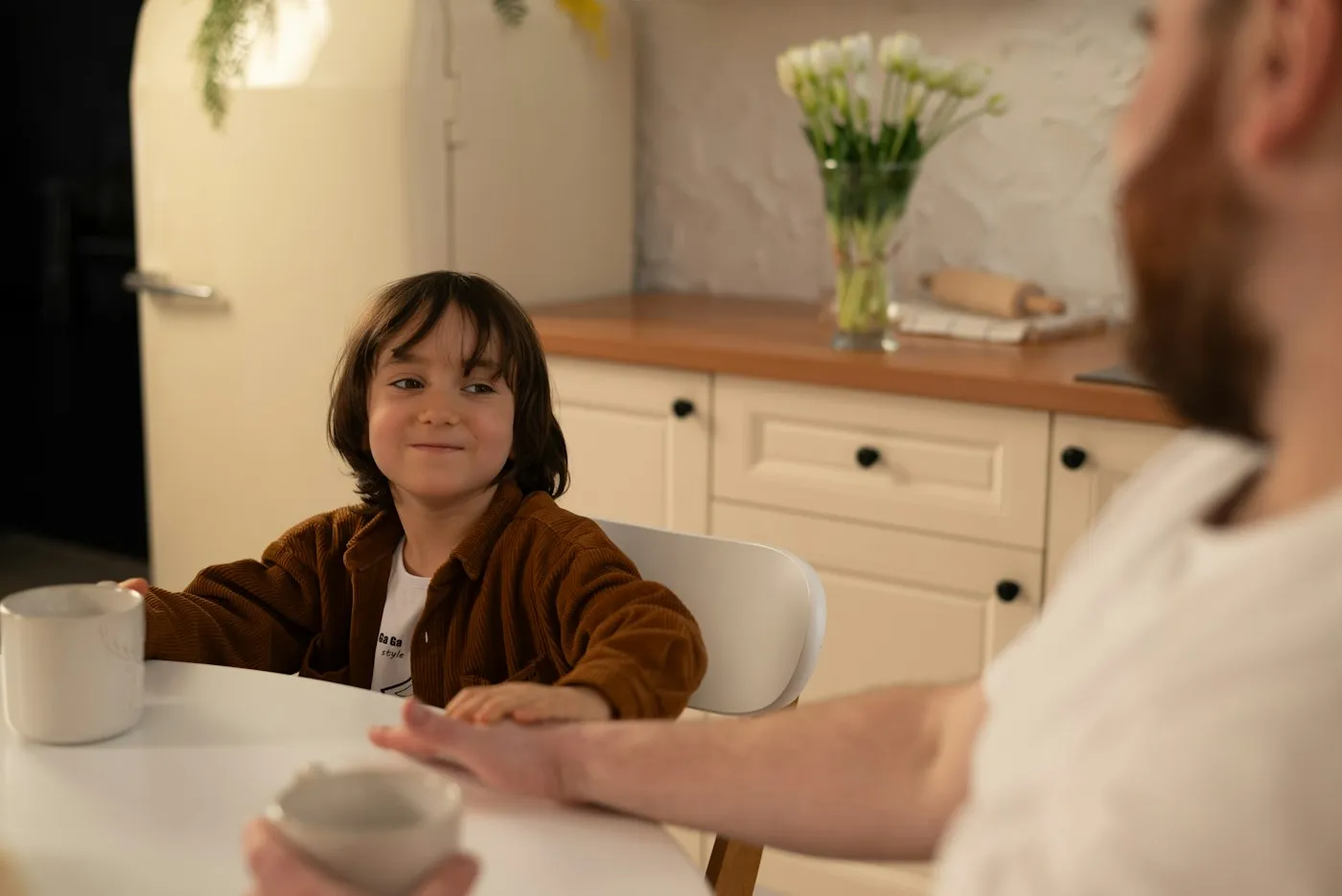
Empathy is not accurate mind-reading. A useful family practice is noticing another person, checking assumptions and offering help that fits. Start with an ordinary story or a small shared activity.
Read article 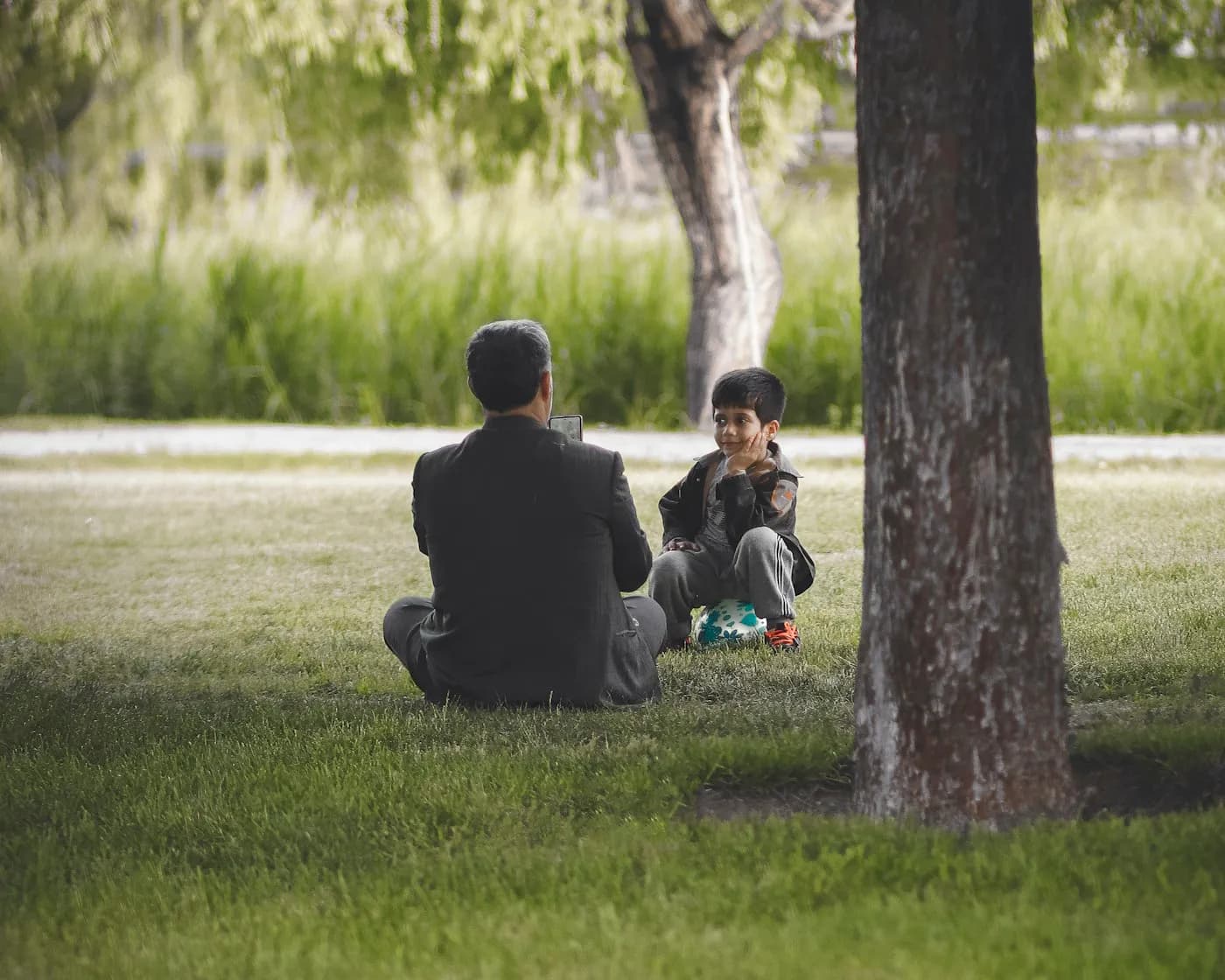
Kindness does not mean accepting every request, tolerating unwanted touch or giving away everything you own. Children can learn consideration for others while retaining personal boundaries. Those goals can support each other.
Read article 
Gratitude is more than a word delivered on cue in front of visitors. Help children notice care and choose a response without requiring a particular feeling or turning a gift into a debt.
Read article 
An objection that something is unfair may concern an unclear rule, wanting the same amount or not feeling heard. Investigate the particular dispute and explain the decision’s basis instead of immediately arguing with the feeling.
Read article 
Children hear what we say about honesty and also notice what happens when adults make mistakes. Begin with ordinary, manageable actions rather than public confessions or a performance about being a perfect family.
Read article 
An untrue story can involve imagination, fear, a wish to impress or an attempt to hide an action. Understanding the situation is more useful than deciding that a child has become a dishonest person.
Read article 
Sometimes saying sorry is not enough, especially when an accusation immediately follows it. A useful apology names the action, acknowledges its effect and makes room for repair without demanding an immediate reconciliation.
Read article 
When something is damaged or someone is hurt, a quick punishment can feel like the obvious response. There is still a practical problem to repair. Focus on safety, the child’s participation and a manageable way of putting things right.
Read article 
At school, in a playground and among relatives, children encounter different languages, routines and abilities. Talk about differences directly and respectfully without turning another person into a public teaching exhibit.
Read article 
Responsibility begins with an understandable task that can be learned, rather than an instruction to grow up. Choose a manageable job, define what finishing means and make it clear where help is available.
Read article 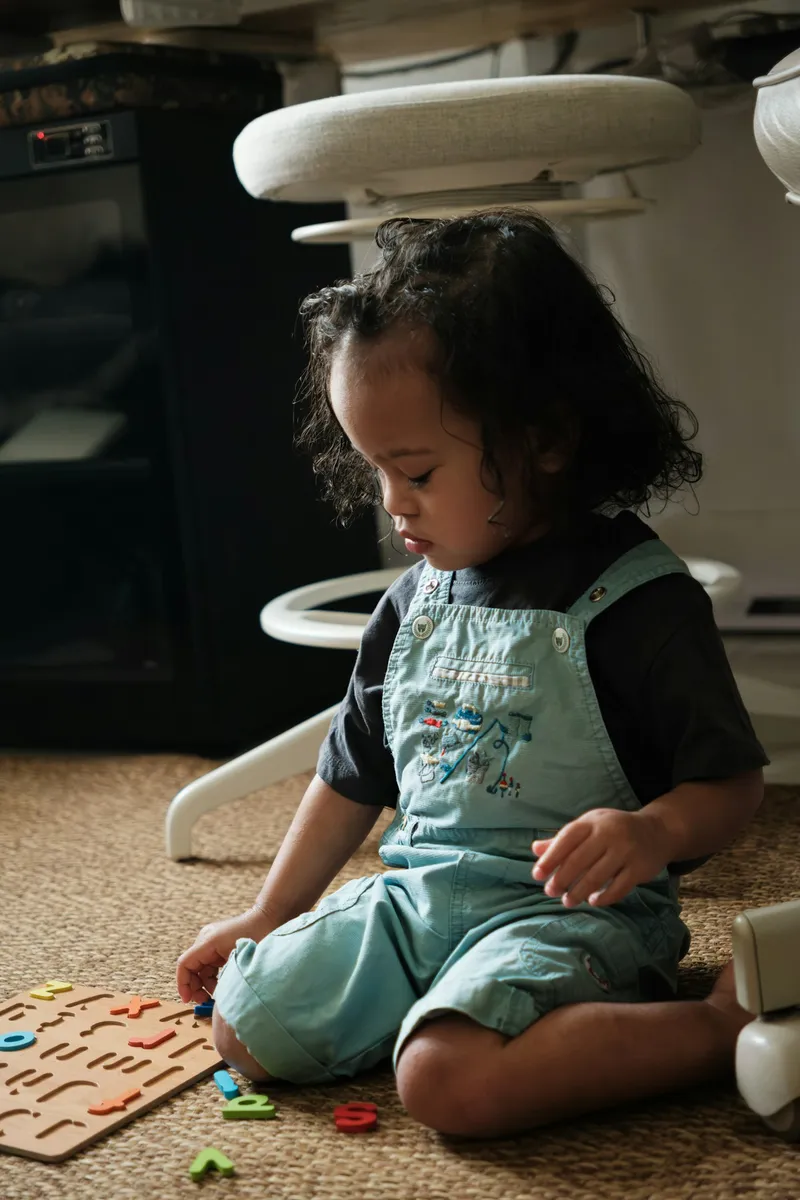
Sometimes a child does not begin because the request is too long or unclear. Before repeating it more loudly, make the task specific, manageable and noticeable in the situation they are actually in.
Read article 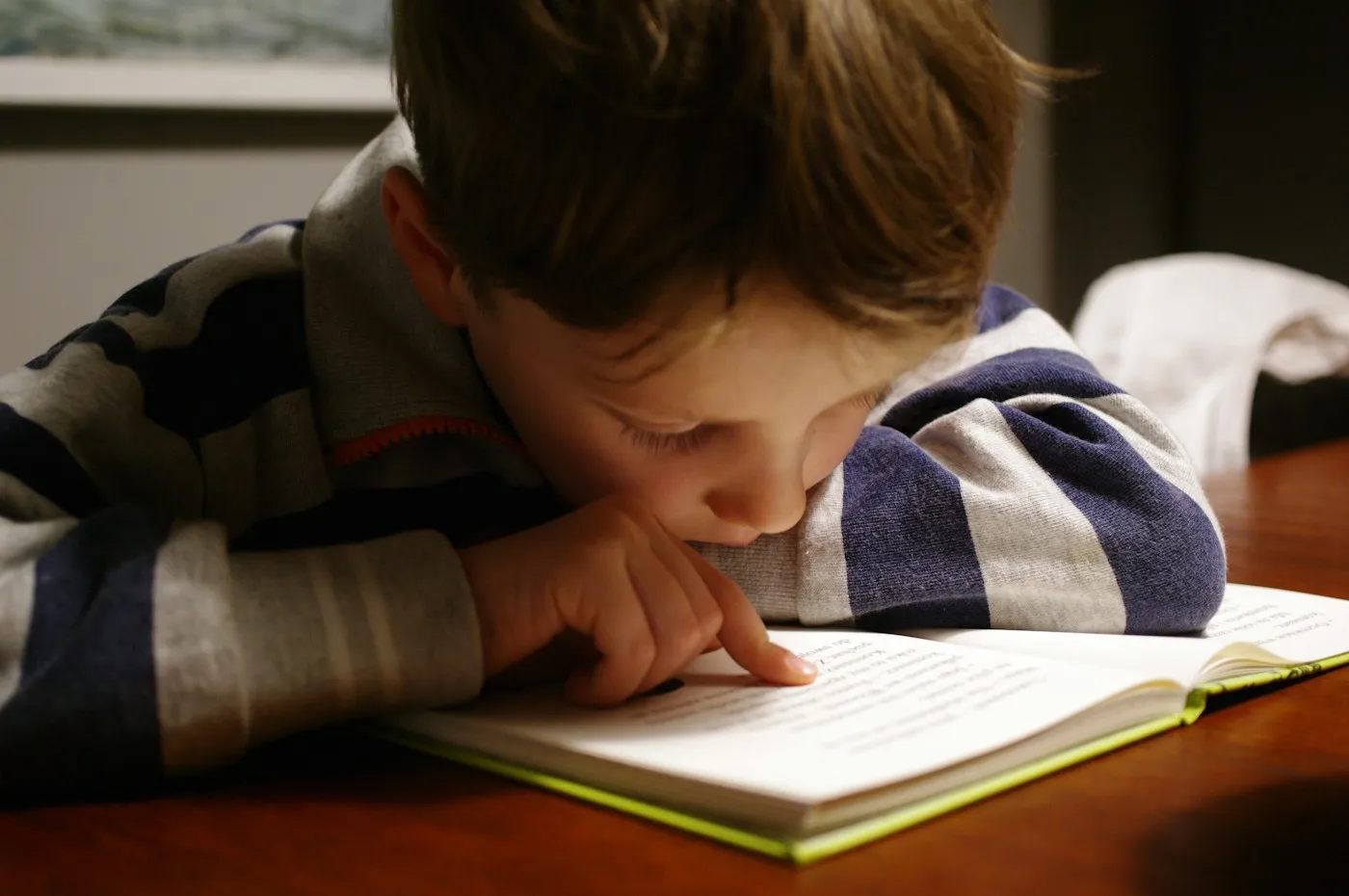
Your child knows it is time to get ready, yet loses their socks and forgets the school bag again. This is not necessarily a dispute about obedience. Here is how to support the skills involved in holding a plan, changing activities and stopping an impulse.
Read article 
Your child can spend ages building a garage but gets distracted quickly by a workbook. That does not establish laziness or pretence. Look at the task, surroundings and available support before asking for more concentration.
Read article 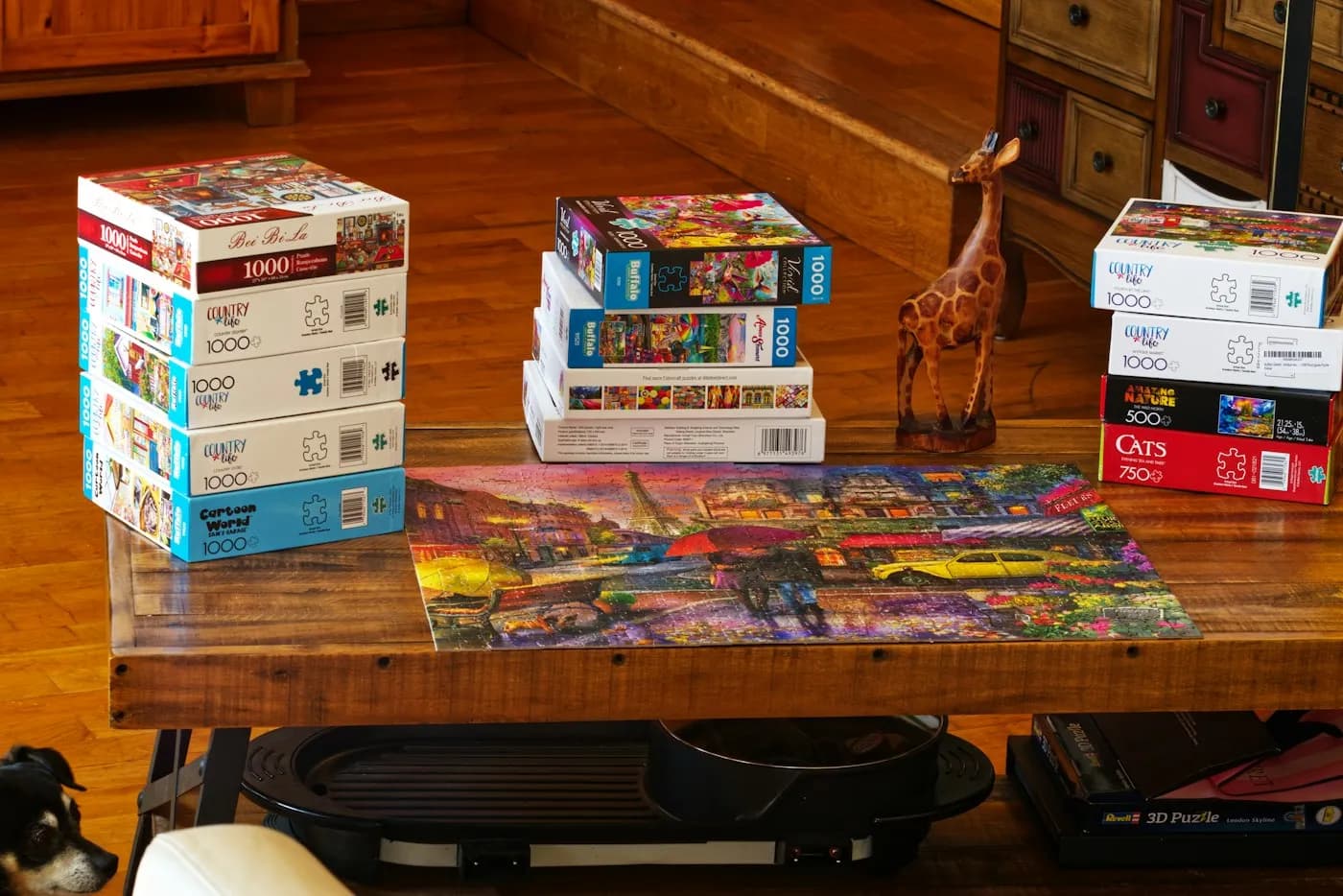
“Get the cups, put the bread away, bring napkins — why have you done nothing?” Sometimes the request itself is too long to hold together. Help your child complete a real task instead of turning it into a memory test.
Read article 
You promised an outing, and now it is pouring. For an adult this may be a small change; for a child a clear plan has disappeared. Help them find another possibility without requiring their disappointment to vanish immediately.
Read article 
Your child turns a box into a bus, while you feel tempted to suggest something more educational. Free play already deserves space in the family day. What can children lead, where are adults needed and why need there be no polished result?
Read article 
A project falls apart, and your hand moves to fix everything quickly. Supporting independence does not mean walking away and leaving a child alone with difficulty. Offer enough help to keep participation and problem-solving possible.
Read article 
When every page needs a promised prize, it is tempting to look for a motivation button. First understand the obstacle: an unclear task, excessive difficulty, little interest or simple tiredness. Explore alternatives without declaring that all rewards are forbidden.
Read article 
“You are the cleverest” sounds warm, but it does not explain what actually worked. Specific feedback can offer more information than a broad label. Notice actions without turning every attempt into a performance that needs an adult score.
Read article 
Parents spill tea, confuse times and take a wrong turn too. These moments offer a way to show a response without self-humiliation or searching for someone to blame. Children do not need an adult who is always right.
Read article 
Chairs become a train, paper becomes a ticket and an adult becomes a passenger. Pretend play need not involve an expensive career kit or a developmental test. Support the shared story while leaving room for the child’s own decisions.
Read article 
When a teenager asks for more freedom, a parent may hear rejection. Becoming more independent does not require leaving family connection behind. The practical task is to hand over manageable decisions while remaining an adult your child can approach when something goes wrong.
Read article