Practical guides to parenting, feelings, relationships and family life, with everyday examples and sources.

Your child comes home from preschool in tears, and you have no energy left for another calm explanation. This moment does not require a perfect parent. It needs a safe setting, some support for the adult and one manageable next step.
Read article 

Warm parenting still includes rules. You can say no, stop an unsafe action and ask a child to help repair what happened without threatening your love, shaming them in front of relatives or giving them a label. Here is what that can look like in everyday family life.
Read article 
“How was your day?” “Fine.” Sometimes that is the whole conversation, even when a parent wants connection. Start smaller: notice what your child is doing, respond and leave room for their reply. A complete report of the day is not required.
Read article 
Your child clings to you in the morning but plays happily with a grandparent later. One moment cannot measure your relationship. Here is a practical way to think about connection without turning attachment into a test your family must pass.
Read article 
Your child holds up a stone, repeats a sound or pulls your sleeve. Not every moment needs a lesson. Sometimes the useful response is to notice an invitation, answer it and wait for the next turn. Here is how that can fit an ordinary day with a young child.
Read article 
“If I understand my child’s feelings, can I still say no?” Yes. Warmth and limits address different questions: what someone feels, and what is acceptable to do. Everyday situations can make room for both.
Read article 
The argument has ended, but dinner is silent. You do not have to force an immediate family discussion or reconciliation. Begin with safety, responsibility for your own action and a small invitation to reconnect that your child can accept in their own time.
Read article 
Rules often appear only after somebody breaks them. Discuss one agreement beforehand: why it matters, what each person will do and what happens if it does not work. A child’s participation does not remove adult responsibility for safety.
Read article 
Connection can seem to require a whole free evening, while your day contains work, travel and chores. Start with one ordinary moment when your child can have your attention without performing or earning the right to a conversation.
Read article 
One caregiver permits another game while another is getting the child ready for bed. Different views do not have to become a contest for authority. Begin with one recurring situation and a shared task rather than deciding who is the best parent.
Read article 
A teenager asks you not to read their messages, while you want to know they are safe. Both needs can be discussed together. Trust does not mean having no rules, and care need not become continuous inspection of every detail.
Read article 
A child does not want to kiss a relative hello. That need not reject respect or love. You can keep a warm greeting while showing that touch is not something to earn, negotiate under pressure or endure to make a good impression.
Read article 
“I feel bad” might mean hurt, tiredness, worry or several things together. The adult’s task is to help find useful words, not guess correctly at the first attempt. Short conversations, familiar stories and room for the child to correct you can help.
Read article 
“Do not be angry” gives a child little information about what to do with a strong feeling. Separate the feeling from the action, keep people safe and practise another way to communicate later. This does not require permitting hitting or shaming the feeling itself.
Read article 
A lost board game sometimes ends in tears and “I am never playing again.” You need neither ridicule disappointment nor promise a win every time. Help your child get through this particular result while keeping another attempt possible.
Read article 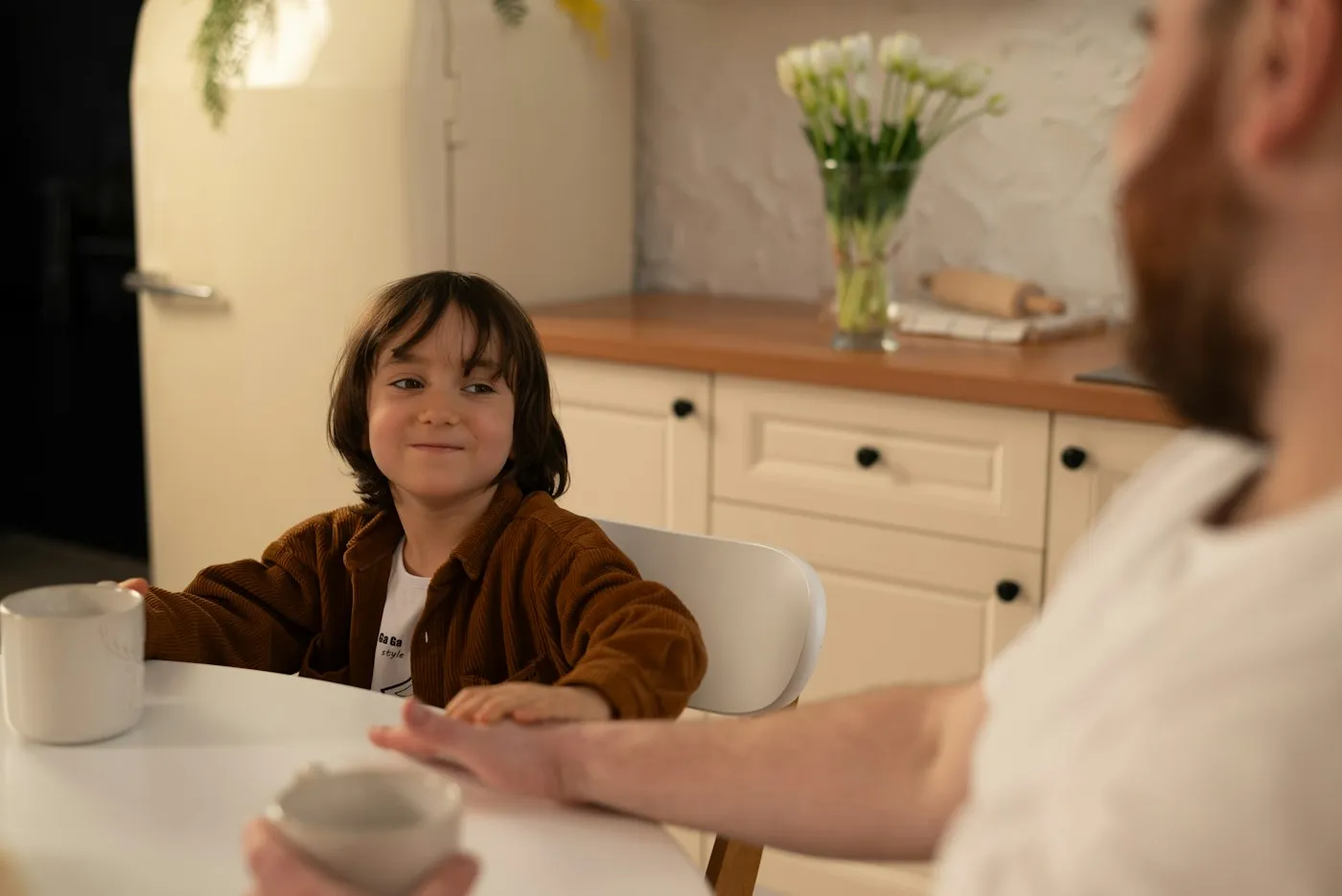
Empathy is not accurate mind-reading. A useful family practice is noticing another person, checking assumptions and offering help that fits. Start with an ordinary story or a small shared activity.
Read article 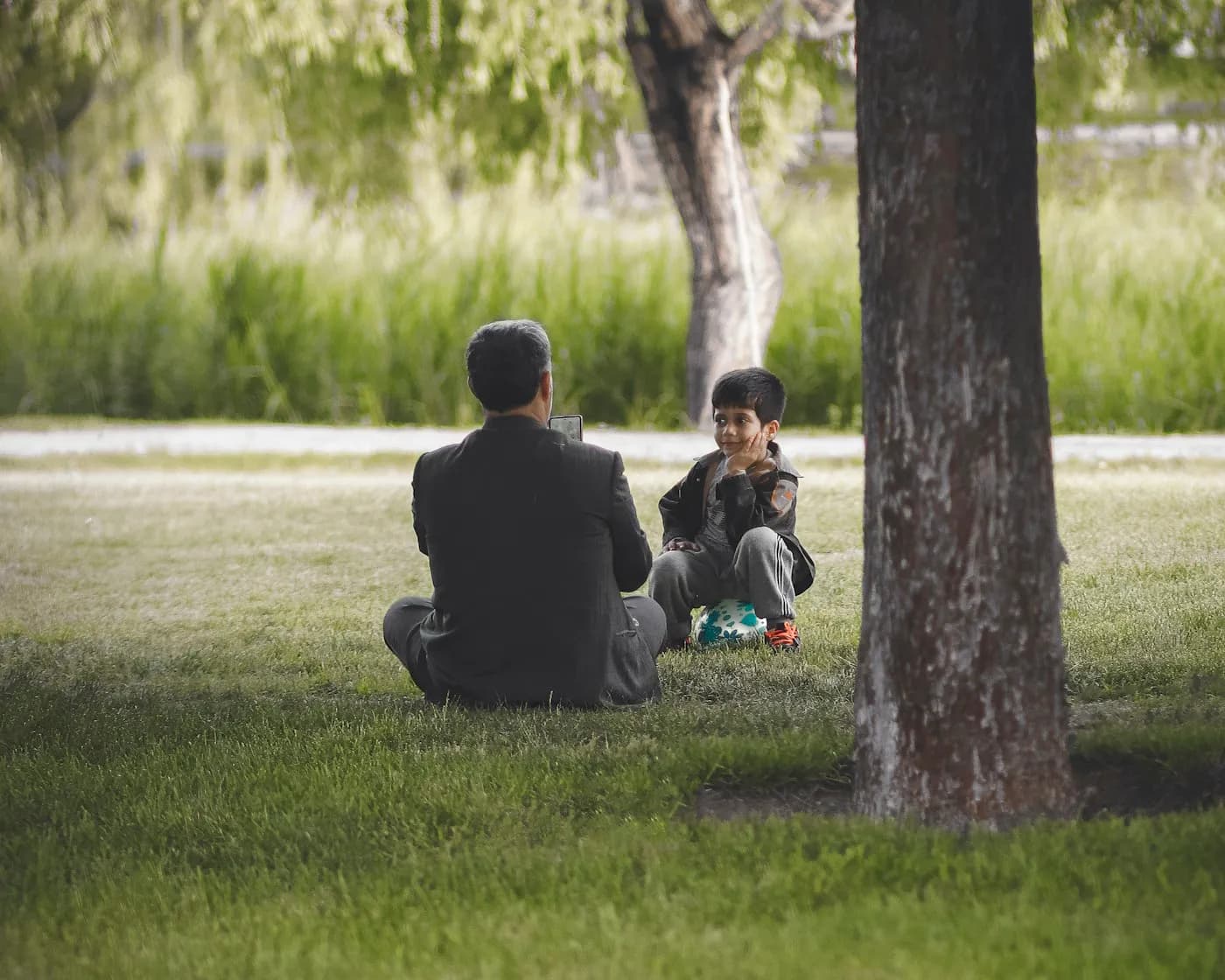
Kindness does not mean accepting every request, tolerating unwanted touch or giving away everything you own. Children can learn consideration for others while retaining personal boundaries. Those goals can support each other.
Read article 
Gratitude is more than a word delivered on cue in front of visitors. Help children notice care and choose a response without requiring a particular feeling or turning a gift into a debt.
Read article 
An objection that something is unfair may concern an unclear rule, wanting the same amount or not feeling heard. Investigate the particular dispute and explain the decision’s basis instead of immediately arguing with the feeling.
Read article 
Children hear what we say about honesty and also notice what happens when adults make mistakes. Begin with ordinary, manageable actions rather than public confessions or a performance about being a perfect family.
Read article 
An untrue story can involve imagination, fear, a wish to impress or an attempt to hide an action. Understanding the situation is more useful than deciding that a child has become a dishonest person.
Read article 
Sometimes saying sorry is not enough, especially when an accusation immediately follows it. A useful apology names the action, acknowledges its effect and makes room for repair without demanding an immediate reconciliation.
Read article 
When something is damaged or someone is hurt, a quick punishment can feel like the obvious response. There is still a practical problem to repair. Focus on safety, the child’s participation and a manageable way of putting things right.
Read article 
At school, in a playground and among relatives, children encounter different languages, routines and abilities. Talk about differences directly and respectfully without turning another person into a public teaching exhibit.
Read article