Practical guides to parenting, feelings, relationships and family life, with everyday examples and sources.

Responsibility begins with an understandable task that can be learned, rather than an instruction to grow up. Choose a manageable job, define what finishing means and make it clear where help is available.
Read article 
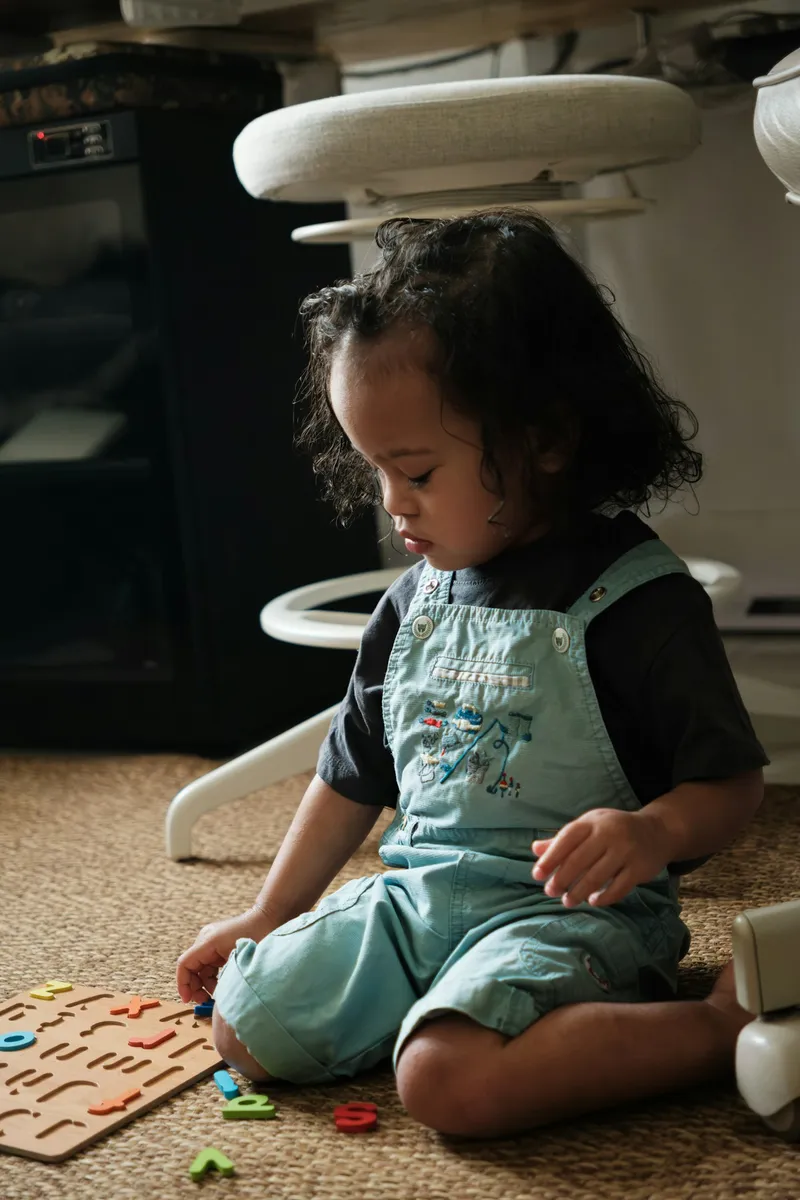
Sometimes a child does not begin because the request is too long or unclear. Before repeating it more loudly, make the task specific, manageable and noticeable in the situation they are actually in.
Read article 
A consequence can make the connection between an action and its result understandable when it is safe and proportionate. It does not have to cause suffering. Skills, age and circumstances matter more than finding a harsher punishment.
Read article 
A smack is sometimes defended as tradition or a quick way to stop behaviour. The question is not only whether a child becomes quiet immediately, but what the adult’s action teaches and which safer alternatives a family can use.
Read article 
Two options can give a child a manageable part in a decision. A choice is useful when it is genuine, achievable and free from hidden threats. Distinguish what is open for discussion from the adult’s responsibility.
Read article 
Ending an absorbing game can be difficult. Make the transition understandable by showing the next step, preserving something important from the game and providing help with the change itself.
Read article 
Waiting for a turn involves understanding a rule, remembering it and managing a pause. Begin with short, safe situations in which an adult can offer support, rather than treating patience as a fixed character trait.
Read article 
A routine does not have to turn a home into a strict timetable. Its purpose is to make the next step clearer and reduce unnecessary decisions. Begin with one recurring moment rather than scheduling the whole of family life.
Read article 
After a child hits, safety comes before explanations. Protect the person who was hurt and stop the action without hitting back. Investigate the circumstances later rather than diagnosing from a single incident.
Read article 
Sibling jealousy can arise around attention, possessions and different rules. Children do not have to feel close at every moment. Begin with safety, understandable agreements and room for different feelings.
Read article 
When ordinary tasks take increasing effort, advice simply to be calmer does little about the workload itself. Notice changes, reduce unnecessary demands and find support without using an article to diagnose yourself.
Read article 
After a harsh response, it is easy to move from regretting an action to condemning yourself as a parent. Self-compassion does not remove responsibility. It leaves room for a concrete repair instead of endless self-punishment.
Read article 
A family can share washing dishes and still leave one person responsible for organising everything. Noticing, planning and checking are work too. Make those parts visible before deciding what a fairer arrangement could look like.
Read article 
Different parenting views do not require a child to choose a winner. Adults can disagree about a decision while preserving clear arrangements, safety and the child’s freedom to care about relatives without a loyalty test.
Read article 
Grandparents’ support can be an important part of family life. Discuss capacity, safety arrangements and communication explicitly so that care does not rely on guessing or become a repeated source of resentment.
Read article 
A father’s involvement is not limited to celebrations or special outings. Repeated everyday care creates opportunities to understand a child and become a reliable adult. Begin with a defined responsibility rather than waiting to be called as a helper.
Read article 
Sometimes a child’s response feels much more upsetting than the situation alone might suggest. An adult’s past experience can be part of that reaction, but it is neither a ready-made diagnosis nor an inevitable script.
Read article 
Not every parent can freely change a work schedule. Instead of an ideal balance formula, examine actual constraints, brief opportunities for connection and the adult arrangements that make rest possible.
Read article 
Asking for help does not have to mean failing at parenting. A family may need another adult, accurate information or someone willing to listen. Begin with one clearly described need.
Read article 
A pause does not require becoming calm instantly. Its smaller purpose may be to avoid a harmful action and choose the next safe step. Prepare for it before an argument begins.
Read article 
“Wait” sounds like a brief request to an adult, but may feel like time with no visible ending to a child. Patience is not a switch. Make waiting manageable and safe without treating it as a character test or comparing children.
Read article 
After something breaks, your child says, “I am bad.” Stop harm and discuss responsibility without turning one action into a verdict on the person. Make room for repair rather than leaving only shame and the need to hide.
Read article 
Your child knows it is time to get ready, yet loses their socks and forgets the school bag again. This is not necessarily a dispute about obedience. Here is how to support the skills involved in holding a plan, changing activities and stopping an impulse.
Read article 
Your child can spend ages building a garage but gets distracted quickly by a workbook. That does not establish laziness or pretence. Look at the task, surroundings and available support before asking for more concentration.
Read article 