
 All articles
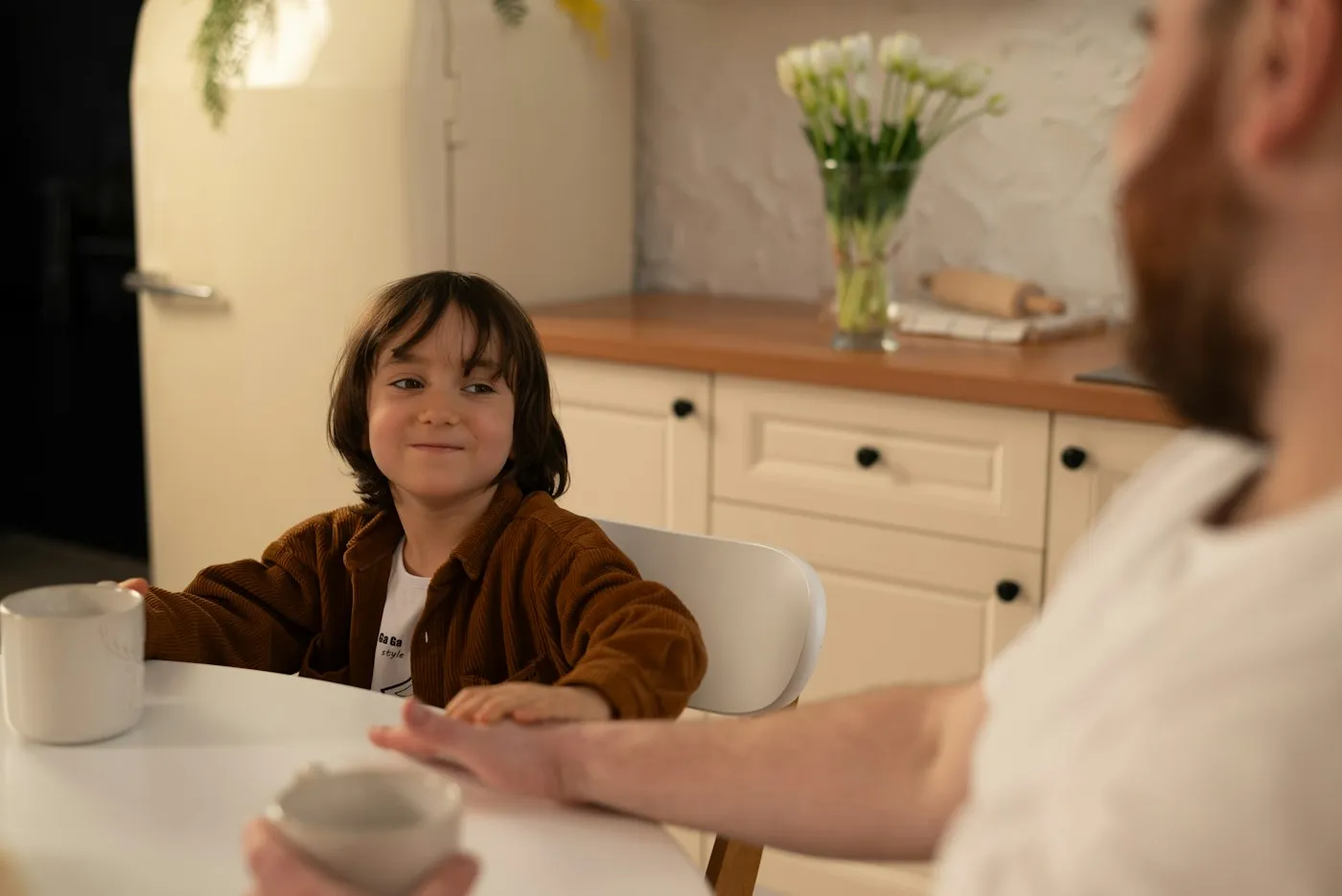
Observe without announcing what someone feels
A child notices another player stepping aside. Ask what they actually observed: the person is quiet, holding a toy and not returning. Avoid immediately declaring them hurt or angry. A single outward sign cannot establish an inner state.
Suggest several possibilities and label them guesses. The person might want quiet, feel tired or be absorbed in something else. The practice encourages caution in interpretation. It should not become public character analysis or questioning somebody without their consent.
Check an assumption with a gentle question
Instead of confidently saying that somebody is sad, ask about a preference: return to the game or stay separate for now? They can answer, decline or explain nothing. Help does not require complete access to another person’s feelings.
If the person does not want to talk, do not send your child to obtain a disclosure. Remain friendly and allow space. Adults intervene for an actual safety risk, not merely because somebody chooses quiet. Care and respect for boundaries can coexist.
Use an invented story
Choose a story in which two characters want one object. Ask what each knows and what each could request. There is no need for one correct answer. Change a detail: there are now two objects, or one character needs to leave.
A fictional situation allows different perspectives without assessing a real child. Do not turn it into a kindness test or score. If interest fades, continue reading. The story remains shared enjoyment rather than a compulsory exercise that must be completed for good parenting.
Show an adult considering someone else
Explain a small everyday decision aloud: someone is carrying a heavy bag, so ask whether help is wanted. There is no need to stage generosity or request praise from your child. Notice a need and agree on the action with the person involved.
Adults can decline an unmanageable burden. Offer smaller help or find someone else responsible. Empathy does not require promising everything to everyone. Show how care considers both the helper’s capacity and the recipient’s actual wishes.
Avoid judging empathy by facial expression
One child expresses concern in words, another fetches something and another watches without knowing what to say. A restrained expression does not prove lack of care. Help find participation suited to language, experience and current capacity.
Do not force a hug or the surrender of a personal object as a demonstration of compassion. Suggest specific help and ask consent. Children can care while retaining physical boundaries. Stopping harm matters more than performing convincing displays of kind feelings.
Notice small attempts
This week, choose one ordinary opportunity to consider another perspective. Afterwards, ask what was known, what remained a guess and whether the help fitted. Do not measure whether one conversation has made a child permanently empathetic.
If a child repeatedly harms others or is unsafe themselves, discussion of feelings is insufficient. Protection, clear boundaries and appropriate professional support are needed. Empathy practice supports conversation about relationships, but cannot replace assessment of persistent difficulties or guarantee the same outcome for everyone.