Practical guides to parenting, feelings, relationships and family life, with everyday examples and sources.

Your child is shouting, lying on the floor and unable to follow an explanation. Staying calm can be difficult for an adult too, especially in public. Organising safety and support is more useful now than immediately securing obedience or identifying the final explanation for everything happening.
Read article 

A child may enjoy a new school while missing the old one, or love a sibling while feeling angry with them. Several feelings do not make an account wrong. Adults can help name different parts of an experience without demanding one correct emotion or deciding the answer in advance.
Read article 
A familiar room in daylight can contain a frightening shadow at night. Instead of ridicule or a test of courage, explore what feels frightening and choose manageable support. Adults, rather than children, remain responsible for checking the actual safety of the room and responding to real concerns.
Read article 
A child or adult may feel nervous before a performance or a change. The useful question goes beyond the name of the feeling. Notice how much it interferes with life, what is happening around the child and which support is actually available, rather than rushing to an explanation or diagnosis.
Read article 
A question about body changes may arrive in the middle of an ordinary day. You do not need a lecture or every answer ready. A calm response, respect for curiosity and an invitation to ask again are a useful place to begin.
Read article 
For an adult, moving may mean a new job or a more convenient home. For a child, it also means leaving a familiar courtyard, route and people. Support begins by recognising those losses, even when the family welcomes the change.
Read article 
A new baby changes more than the adults’ schedule. An older child may feel excited, jealous and hungry for attention at the same time. Preparation should explain understandable changes, rather than assign the job of being a perfect little helper.
Read article 
A new nanny, teacher or relative does not become familiar because an adult says there is nothing to fear. A child needs an understandable handover of care. Adults can organise this so information and responsibility do not fall onto the child.
Read article 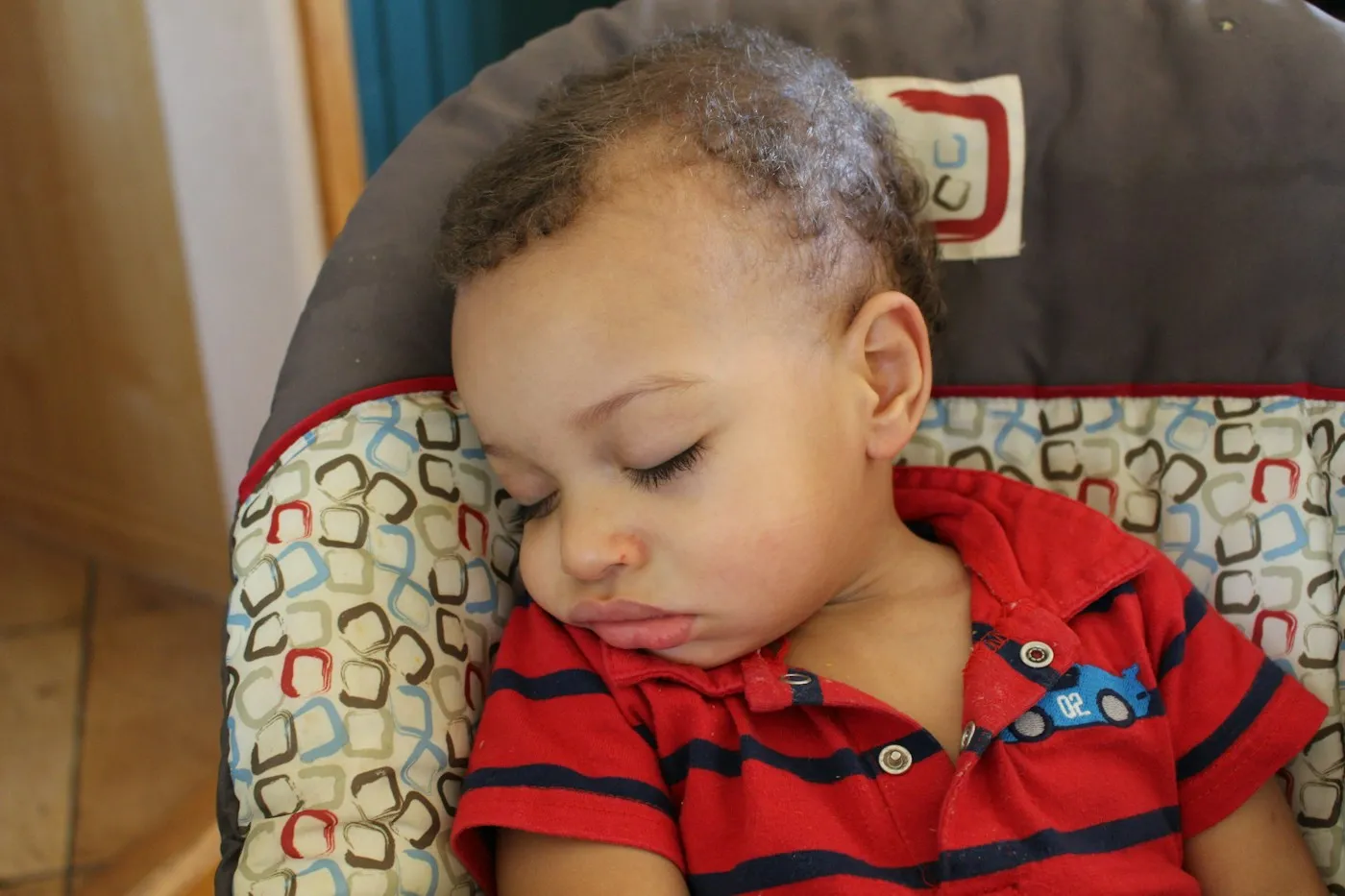
After a poor night, ordinary tasks can feel harder for everyone at home. Instead of comparing whose child sleeps perfectly, look at the actual sleeping conditions and available support. This article offers neither sleep training nor a universal family timetable.
Read article 
It is easy for a meal to become a battle over the final spoonful. Family food can instead be an opportunity for care, rather than a test of love or obedience. Consider which conditions adults can change without forcing a child to eat.
Read article 
Phone rules are easier to understand when adults are willing to discuss their own habits too. The goal is not to remove every screen. Work out what technology is doing and what your family wants to protect: sleep, conversation, learning or safety.
Read article 
Hearing a child say they are unattractive can prompt an immediate argument to prove otherwise. But a competition over who looks best may leave appearance as the main measure of worth. Begin with their experience and the comments about bodies they hear around them.
Read article 
Loss affects the whole family, and an adult may struggle to find words too. Your child does not need a perfect speech. They need an honest, understandable explanation, an available caregiver and permission to experience grief in their own way.
Read article 
During parental separation, a child may focus on tomorrow: where they will sleep, who will collect them and whether they may love both parents. Clear care and protection from adult conflict matter more than explaining every reason behind an adult decision.
Read article 
When a family member is seriously ill, children often notice changes before an explanation arrives. Adult silence does not necessarily protect them from worry. You can speak honestly in small amounts while preserving daily care and acknowledging that you do not know every answer.
Read article 
Children may experience noise, learning and expressing ideas in different ways. Neurodiversity provides a respectful way to discuss differences, but it is not a diagnosis. Notice strengths alongside real difficulties that may need support, rather than choosing between acceptance and practical help.
Read article 
Seeking help does not require proving that the family has completely failed. You can begin with a question and observations. Distinguish ordinary difficulties, continuing disruption to daily life and situations where waiting for a routine appointment would leave someone unsafe.
Read article 
Several generations under one roof can bring closeness and support as well as conflicting expectations. Family structure alone guarantees neither harmony nor conflict. Specific agreements about care, personal space and manageable contributions are more useful than assumptions about what every household ought to be like.
Read article 
Children benefit from knowing whom to approach when something is frightening, unclear or difficult. A list of familiar names alone does not guarantee safety. The main responsibility stays with adults: to be available, listen and take appropriate action rather than leave protection to a child’s performance.
Read article 
A lovely photograph of a child can make you want to share it immediately. Family memory and public posting are different decisions, however. Warm moments can be preserved while discussing the child’s boundaries, the audience and what cannot be fully controlled once an image has been sent.
Read article 
When a parent works far away, contact does not always look as hoped. A child may become distracted, silent or angry during a call. Connection can be supported through small achievable actions without requiring every encounter to prove affection, gratitude or the success of the family’s arrangement.
Read article