
 All articles
Describe what is happening
Note a few observations: when your child settles, what happens during waking and how they feel during the day. Record illness, pain, noise or a recent change separately. These details are more useful in a clinical conversation than a conclusion that your family is doing everything wrong.
There is no need to turn every night into constant measurement or a judgement of your child. A brief note is enough if it clarifies your concern. Another parent’s message rarely captures differences in age, health, household conditions or everything left outside an attractive account of family life.
Put safety before the ritual
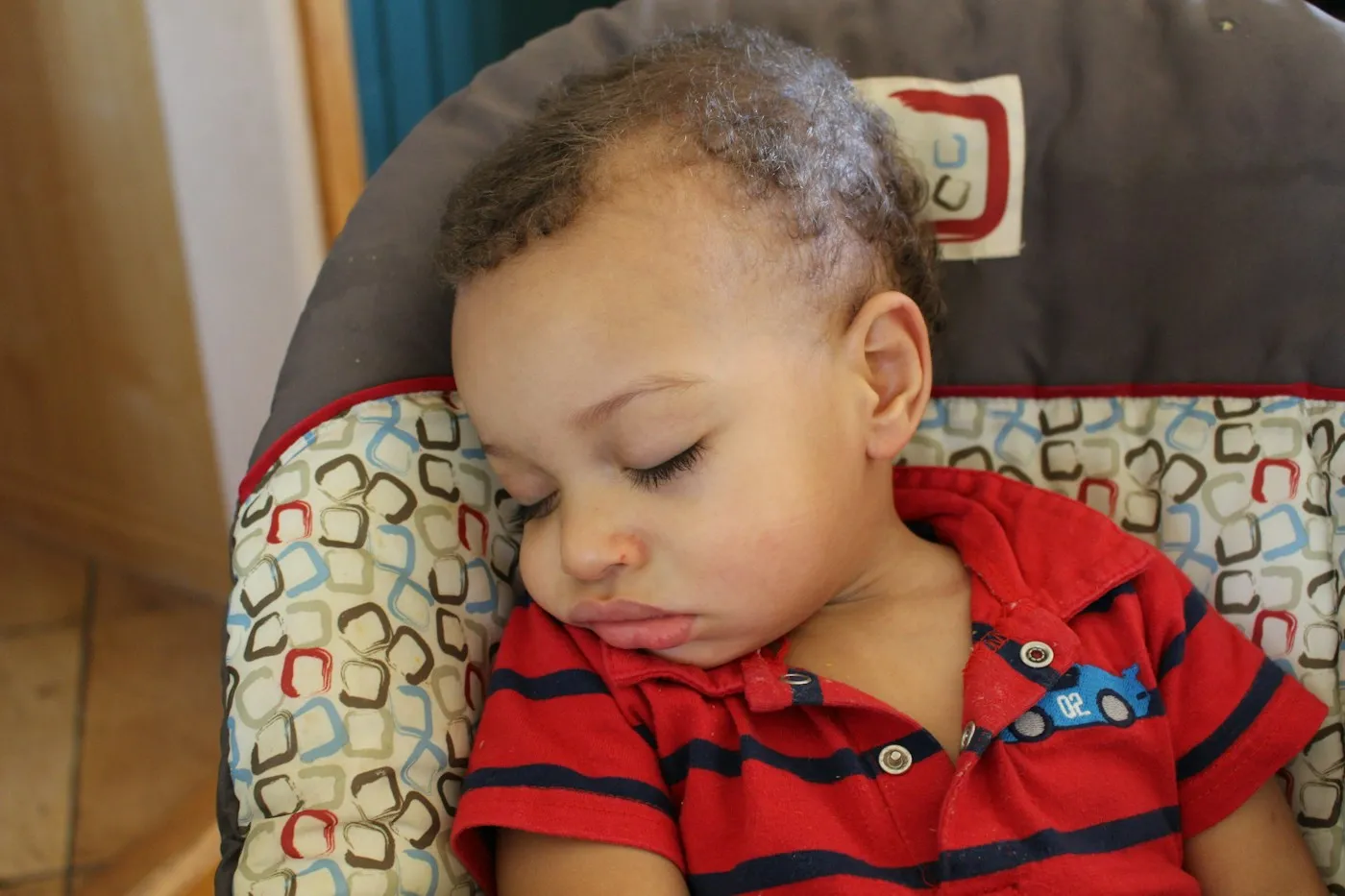
For infants, UNICEF emphasises a separate clear sleeping space, a firm flat surface, being placed on the back and no pillows, toys or loose objects. A cosy photograph with soft bumpers is not a safe-sleep instruction and cannot replace appropriate professional advice about your baby.
Discuss uncertainty about the sleeping arrangement with a clinician, considering age and health. Do not add products, weighted items or medicines because of a comment online. A plan for a peaceful evening must fit safety requirements rather than set them aside in order to achieve silence sooner.
Choose a manageable evening sequence
Try a few repeatable steps: finish noisy play, prepare what is needed, read or have a quiet conversation. An achievable sequence matters more than an expensive accessory or a particular tune. Discuss it with the adults involved so the child does not have to guess between conflicting rules.
In a small home, consider achievable reductions in noise and light rather than imagining a perfect separate bedroom. A school bag can be prepared earlier. These are organisational suggestions from our editors. They do not treat a sleep disorder or guarantee falling asleep within a set number of minutes.
Waking at night is not a parenting grade
UNICEF notes that there is no magic age when every baby sleeps through the night. Do not explain every waking as the result of giving too much attention. Changes in sleep may have different causes, so marked or worrying symptoms need more than a discussion in a family chat.
Prepare what helps an adult respond calmly and safely. With an older child, agree how they can call you. Do not make help a reward for bravery or mock fear of darkness that has followed an upsetting event or a significant change in familiar daily life.
Support the adults too
Agree who can take over and which task can wait. Severe exhaustion is not resolved by an instruction to be more patient. Asking someone to bring food, take a morning walk or handle a household job may be clearer than saying that nobody ever helps with anything.
If you feel close to losing control around an infant, place them somewhere safe and seek support from a reliable adult. Never shake a baby. Immediate danger to the child or adult calls for urgent help, rather than another attempt to perfect a bedtime ritual.
Discuss worrying changes with a clinician
Describe how long the difficulties have lasted, daytime functioning and other changes you have noticed. Breathing difficulties, pain or a significant deterioration in health require medical assessment. Parenting notes can communicate observations, but they cannot establish a cause or select a treatment on their own.
Consider safety and actual family needs rather than compliance with somebody else’s ideal. The next step may be changing evening arrangements or getting professional help. A useful conversation about sleep leaves both possibilities open without blaming either the child or the adult for every difficult morning.