Practical guides to parenting, feelings, relationships and family life, with everyday examples and sources.

Different parenting views do not require a child to choose a winner. Adults can disagree about a decision while preserving clear arrangements, safety and the child’s freedom to care about relatives without a loyalty test.
Read article 
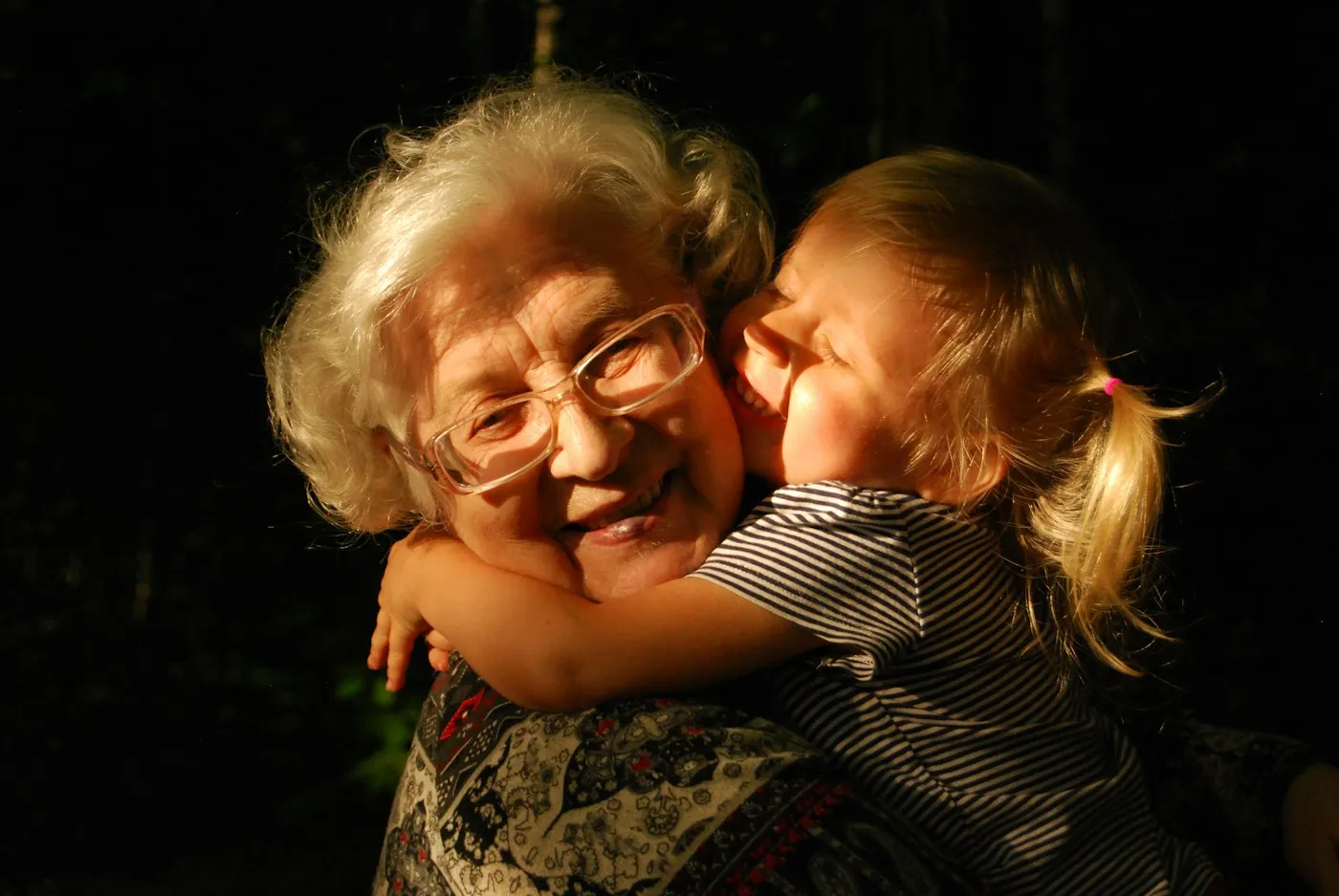
Grandparents’ support can be an important part of family life. Discuss capacity, safety arrangements and communication explicitly so that care does not rely on guessing or become a repeated source of resentment.
Read article 
A father’s involvement is not limited to celebrations or special outings. Repeated everyday care creates opportunities to understand a child and become a reliable adult. Begin with a defined responsibility rather than waiting to be called as a helper.
Read article 
Sometimes a child’s response feels much more upsetting than the situation alone might suggest. An adult’s past experience can be part of that reaction, but it is neither a ready-made diagnosis nor an inevitable script.
Read article 
Not every parent can freely change a work schedule. Instead of an ideal balance formula, examine actual constraints, brief opportunities for connection and the adult arrangements that make rest possible.
Read article 
Asking for help does not have to mean failing at parenting. A family may need another adult, accurate information or someone willing to listen. Begin with one clearly described need.
Read article 
A pause does not require becoming calm instantly. Its smaller purpose may be to avoid a harmful action and choose the next safe step. Prepare for it before an argument begins.
Read article 
“Wait” sounds like a brief request to an adult, but may feel like time with no visible ending to a child. Patience is not a switch. Make waiting manageable and safe without treating it as a character test or comparing children.
Read article 
After something breaks, your child says, “I am bad.” Stop harm and discuss responsibility without turning one action into a verdict on the person. Make room for repair rather than leaving only shame and the need to hide.
Read article 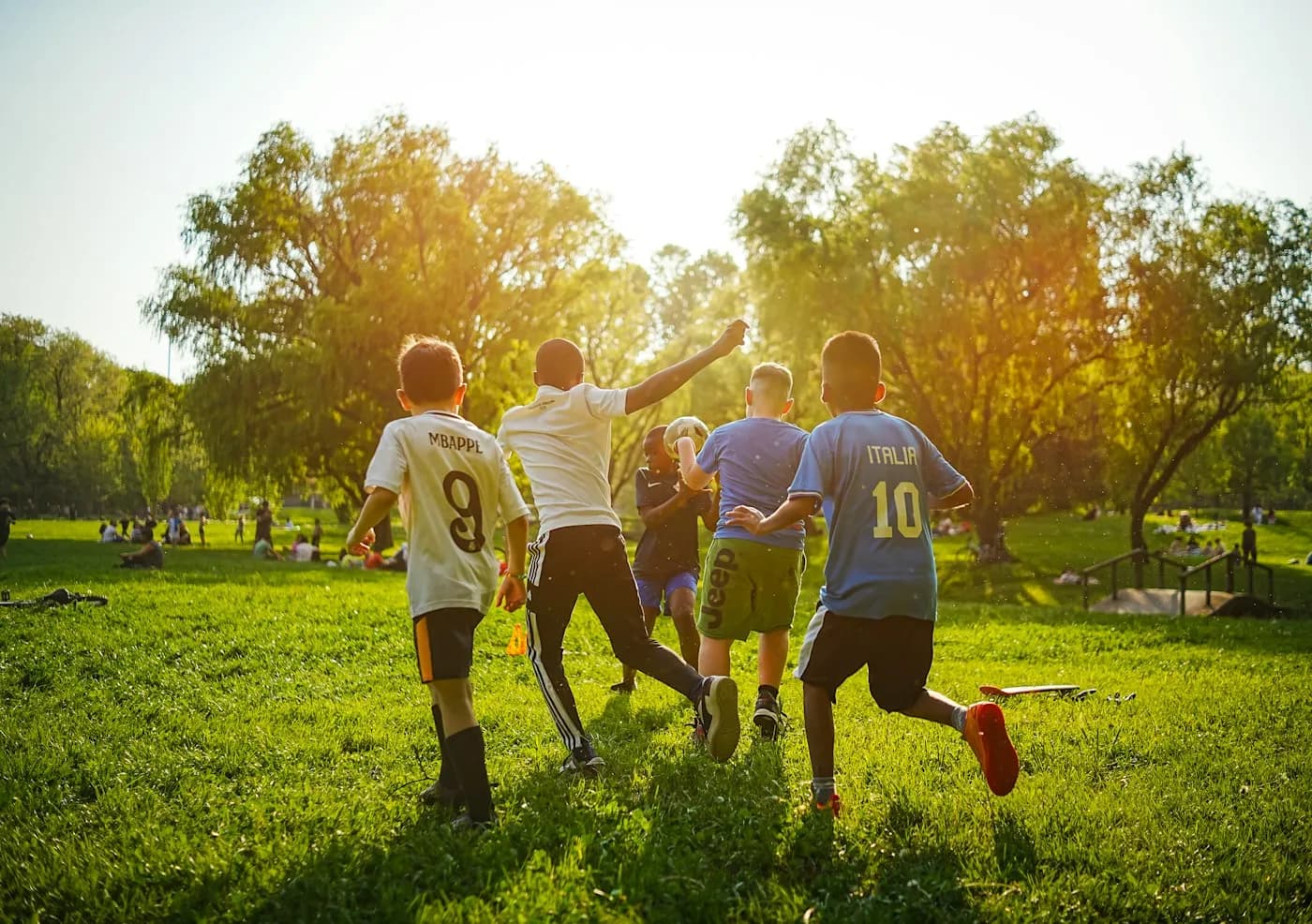
Yesterday a best friend was there every day; today your child plays with different people and worries about a birthday invitation. Friendships change alongside life. Adults can help without choosing friends for children or demanding popularity.
Read article 
At home your child tells loud stories, but at a gathering they hide behind you. You need not choose between leaving every difficulty untouched and demanding an immediate greeting to everyone. Respect their pace while supporting contact that matters to them.
Read article 
Sometimes a child agrees because losing the group feels frightening, not because they want to participate. Instead of a lecture about bad friends, discuss the action, the right to refuse and a practical way to ask for help.
Read article 
Your child watched a classmate being humiliated and does not know whether to intervene, stay silent or tell an adult. They do not need to become a hero or put themselves in danger. Build a safer plan for support and reporting.
Read article 
Your child no longer wants school or has described humiliation. Listen and organise protection rather than telling them to become stronger and solve it alone. Begin with safety and a practical plan involving responsible adults.
Read article 
It hurts to hear that your child is humiliating or frightening somebody. Protecting their dignity and stopping the harm can happen together. Respond with facts, clear boundaries and actions that can be checked, rather than a bad-child label.
Read article 
Two children argue over one box, and an adult wants to decide who is right immediately. First stop harm, then help hear the different wishes involved. Mediation does not require compulsory friendship or dividing every object equally.
Read article 
A closed notebook or private conversation with a friend does not necessarily conceal danger. Children need personal space and a clear way to report harm. Agree on boundaries that account for respect and adult responsibility for safety together.
Read article 
Different languages are spoken at home, and your child sometimes replies in a different language from the one addressed to them. Support family communication without a language contest or loyalty test. Start with relationships, understanding and manageable everyday habits.
Read article 
One child runs quickly, another uses gestures, and a third finds noisy play difficult. Friendship does not require identical abilities. Adults can help arrange accessible participation without turning one child into a kindness lesson for another.
Read article 
A baby may not speak in words yet but already takes part in communication through movement, sounds and turning towards or away from you. Responsive care begins with noticing and answering, not constant entertainment or correctly predicting every signal.
Read article 
Slipping away may seem like a way to avoid tears, but your child will still discover your absence. Try a clear goodbye, a familiar caregiver and an honest agreement about returning rather than disappearing without explanation.
Read article 
Starting preschool means more than a new doorway: there are different routines, people, sounds and ways to ask for help. Prepare through the actual day and available caregivers rather than promising that everything there will always be fun.
Read article 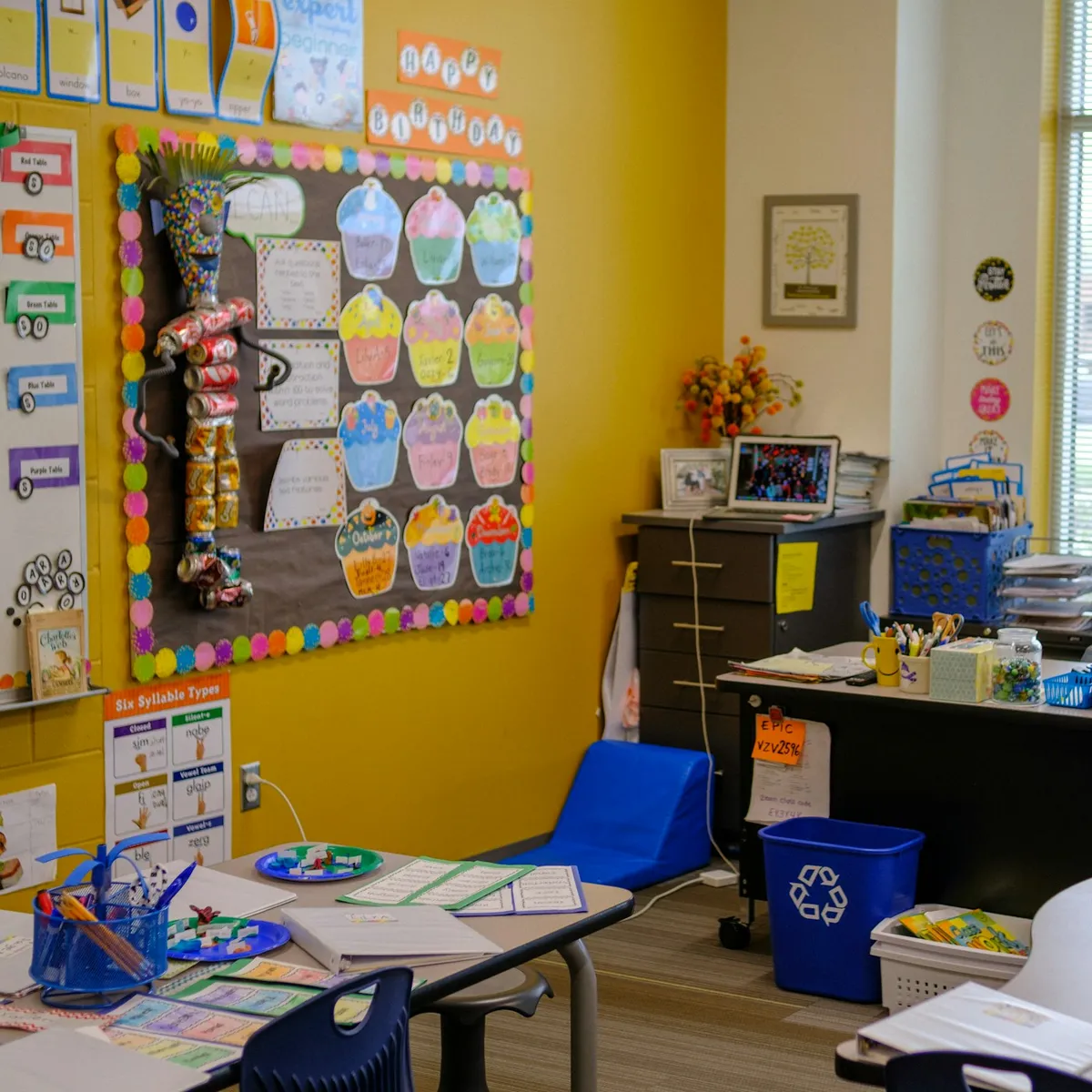
At a new school, a child needs more than subject knowledge: where to enter, whom to ask, where to spend a break and how to get home. Support begins with concrete orientation and a person who can provide help.
Read article 
As children grow, questions about touch, belongings and photographs become more important. Discuss boundaries calmly and gradually. This does not transfer protection to children: adults remain responsible for safety and appropriate help.
Read article