
 All articles
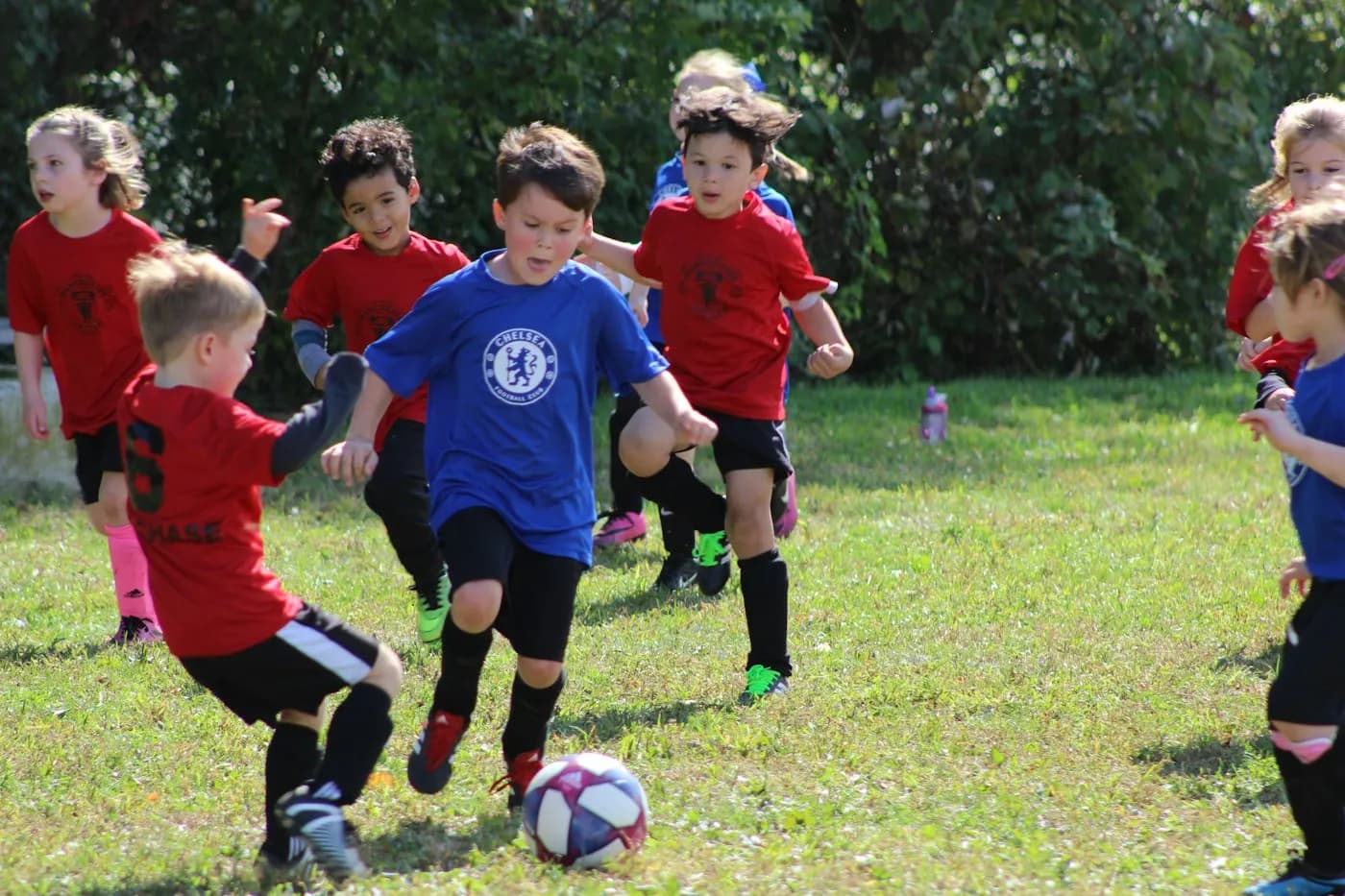
Choose movement for participation
Ask what interests your child: following a drawn path, catching a soft ball or copying funny gestures. Avoid beginning with speed or stamina. Family members may move in different ways, and the shared idea should leave a place for each person rather than demand one standard performance.
For example, one participant can demonstrate a gesture while seated and others can copy it comfortably. This is an editorial game idea, not a therapeutic exercise. Follow individual professional restrictions where relevant. Wanting to participate does not cancel safety requirements or the need for rest.
Prepare a safe place
Check the surface, sharp corners, access to traffic and objects underfoot. Pick a simple action suited to the conditions. Running between furniture and a quiet hand game need different spaces. An adult’s presence alone does not make every possible home activity safe for a child.
Outside, consider weather and opportunities for breaks. Do not continue simply to complete the family plan if someone feels unwell or uncomfortable. Think ahead about water, clothing and accessibility. Discomfort should not be turned into a test of strength of character or determination.
Explain one rule
Begin with an understandable boundary: pass the soft ball to each other, not at faces, and stop at the agreed signal. Show the action first. A child excited about a new game and waiting for their turn may not retain a lengthy spoken explanation.
Harvard describes play as an opportunity to practise skills including attention and self-control. That does not establish that a particular home obstacle course raises intelligence. Our aim is simpler: an accessible situation in which people understand the rules and can try acting together safely.
Change the difficulty, not the child’s value
If catching is difficult, reduce the distance or roll the ball. Shorten the circuit if somebody is tired. Adapting a game is not necessarily giving in to bad behaviour. The original task may simply be a poor fit for today’s abilities or the space available.
Avoid comparing siblings by successful attempts. Notice a concrete action, such as requesting a break or suggesting a new way to play. Praise should not become another demand to continue when rest is clearly needed. Appreciation and respecting a limit can happen together.
Keep permission to finish
Agree how someone can leave the game and what comes afterwards. Competition, loud instructions and touch do not suit everyone. Offer a quieter role, such as watching or inventing the next movement, when a child wants company without taking part in the active version of the game.
Adults may say they are tired too. This allows discussion of actual capacity rather than a performance of endless energy for the sake of good parenting. Movement should not punish eating, appearance or school mistakes. Enjoying shared time has value without having to earn another achievement.
Decide what to repeat
After the game, ask which part was enjoyable and what could change. One short answer is enough; a sporting performance review is unnecessary. Remember a simple idea that worked so another session can begin without elaborate preparation or a required purchase of new equipment.
Stop activity and seek medical assessment if movement causes pain, marked breathlessness or other worrying symptoms. This article does not prescribe exercises or establish activity targets. It offers a family conversation about participation, safety and play without making personal worth into a competition.